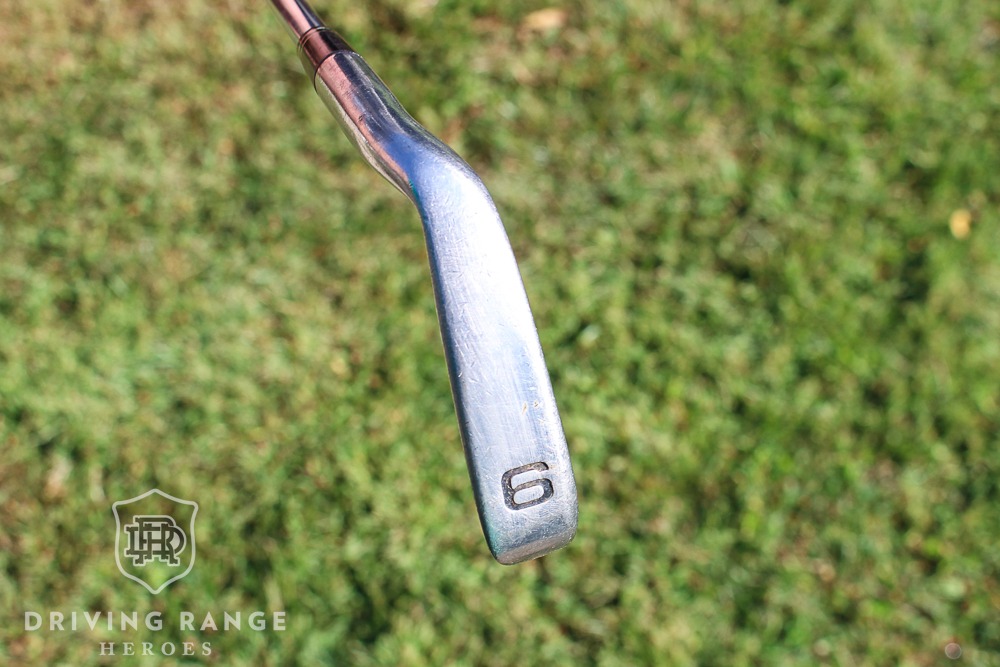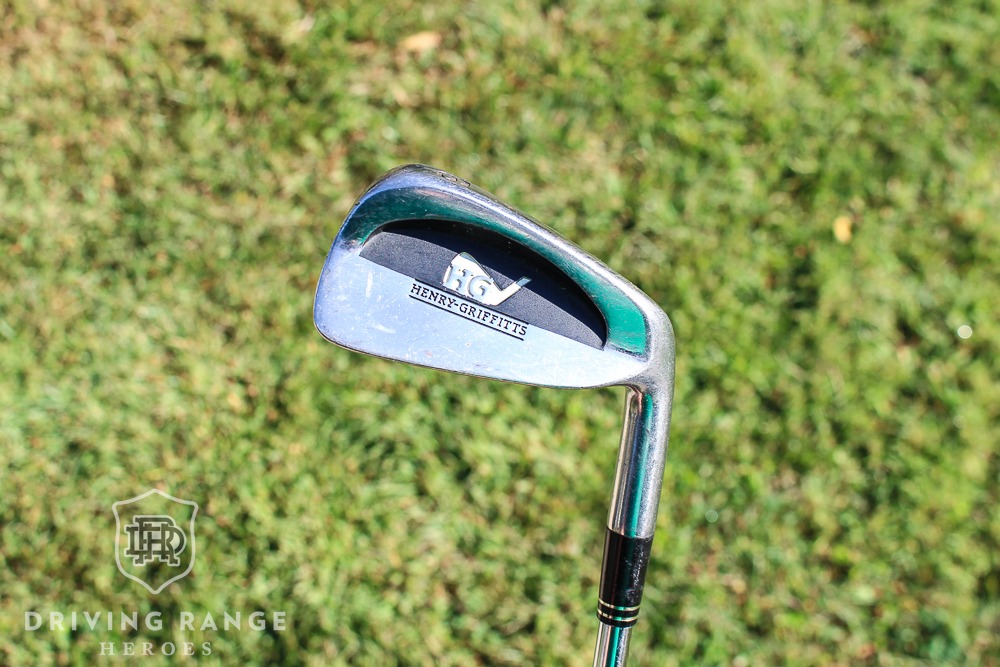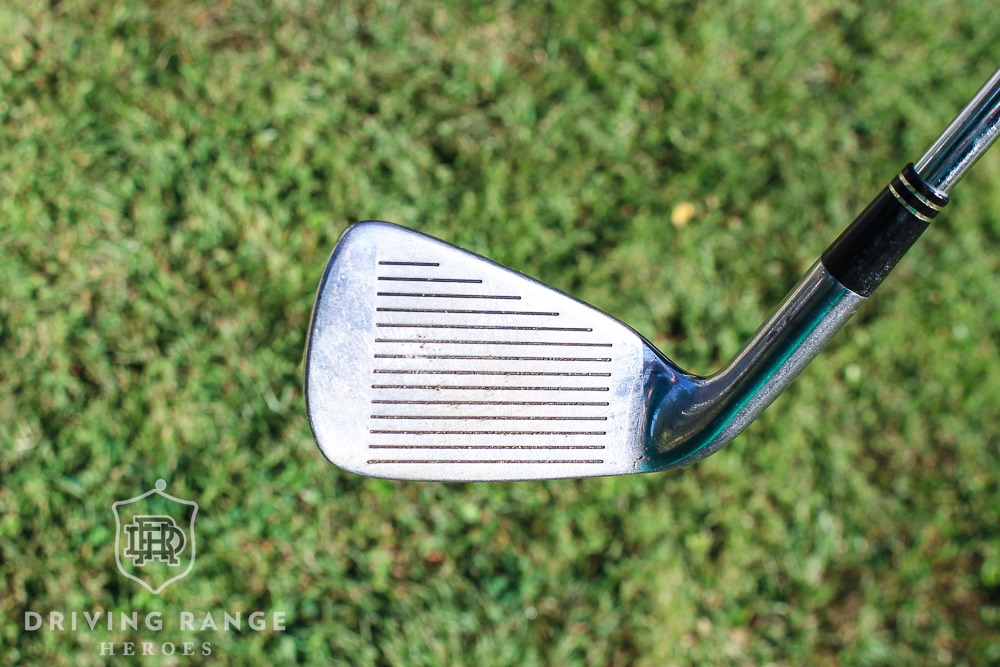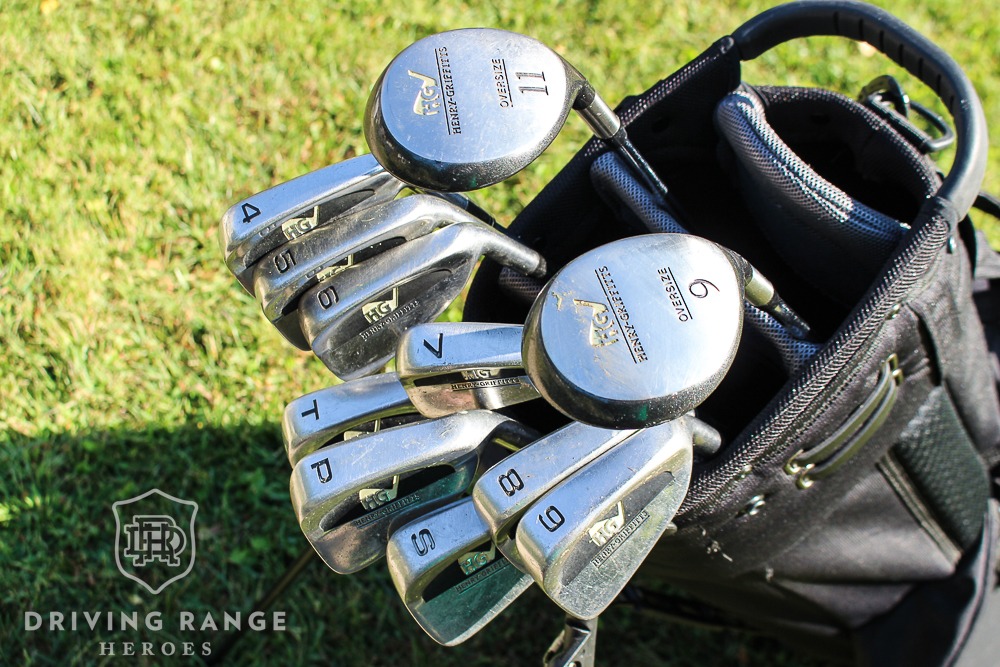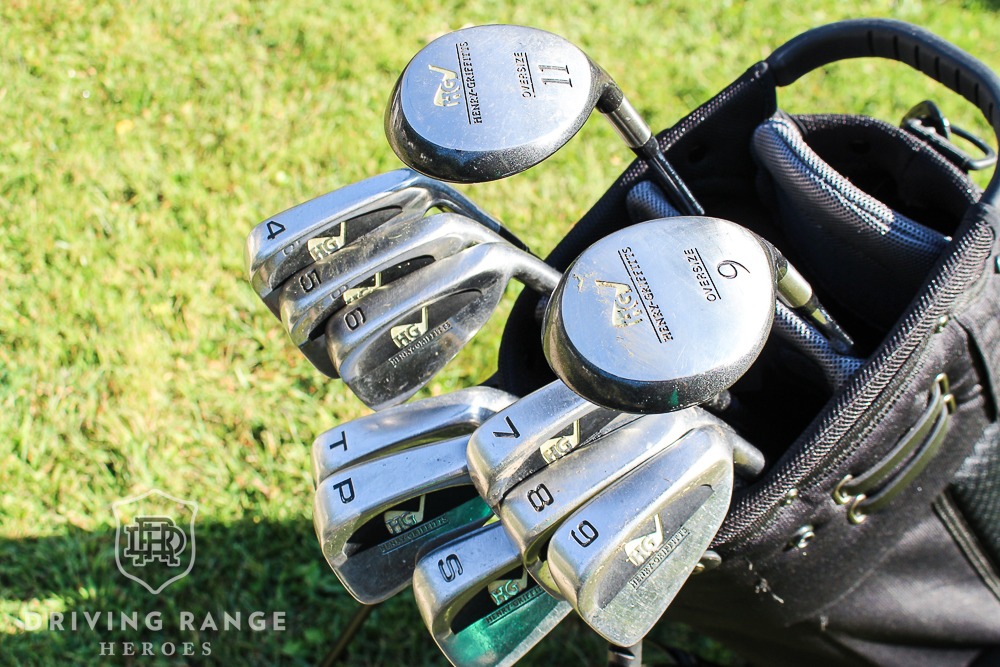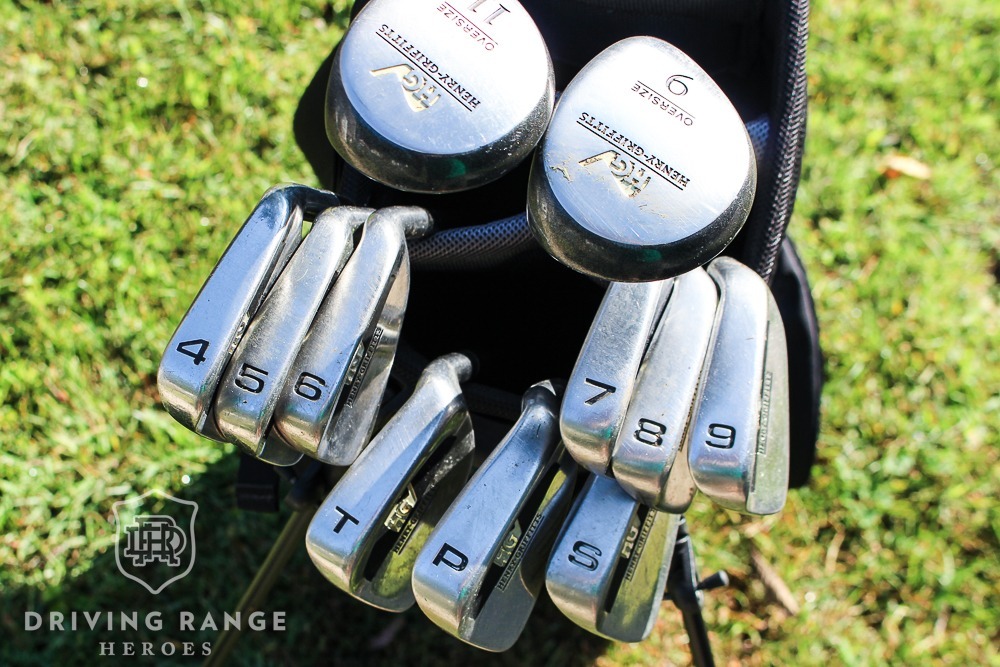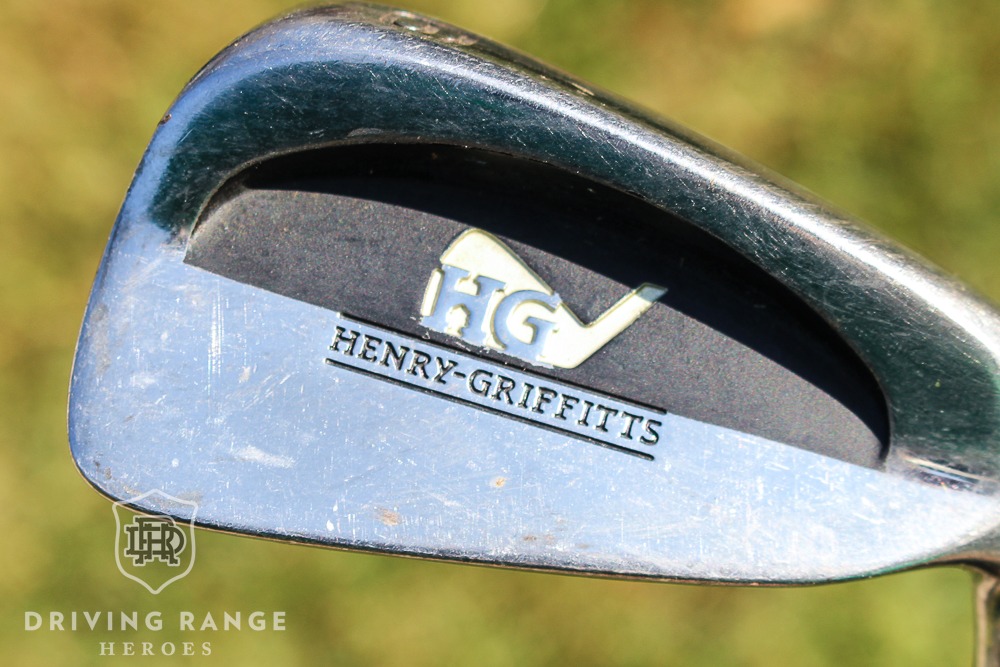
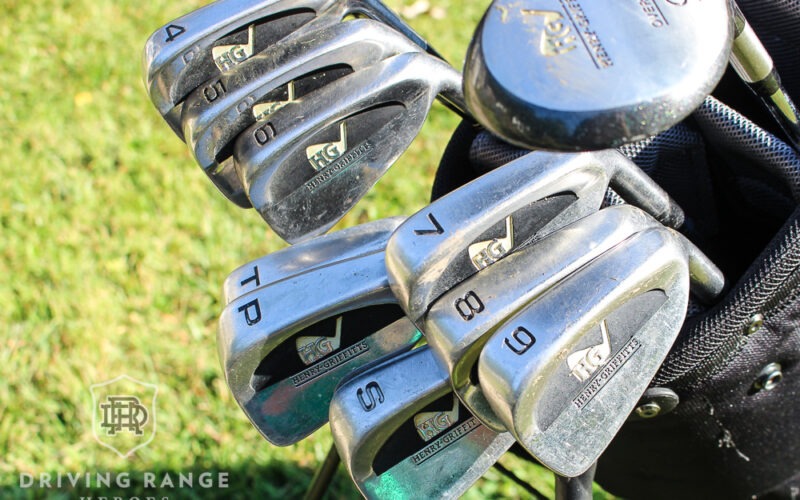
My trips to the thrift store often turn into unexpected golf history lessons. That’s exactly what happened when I stumbled across an old set of Henry Griffitts irons comprised of 4 through pitching wedge, a sand wedge, and a “T” wedge…which I still don’t really know what that is. I’d never heard of Henry Griffitts Golf before, but a full set of clearly ’90s/early 2000s irons immediately caught my eye and had to come home with me.
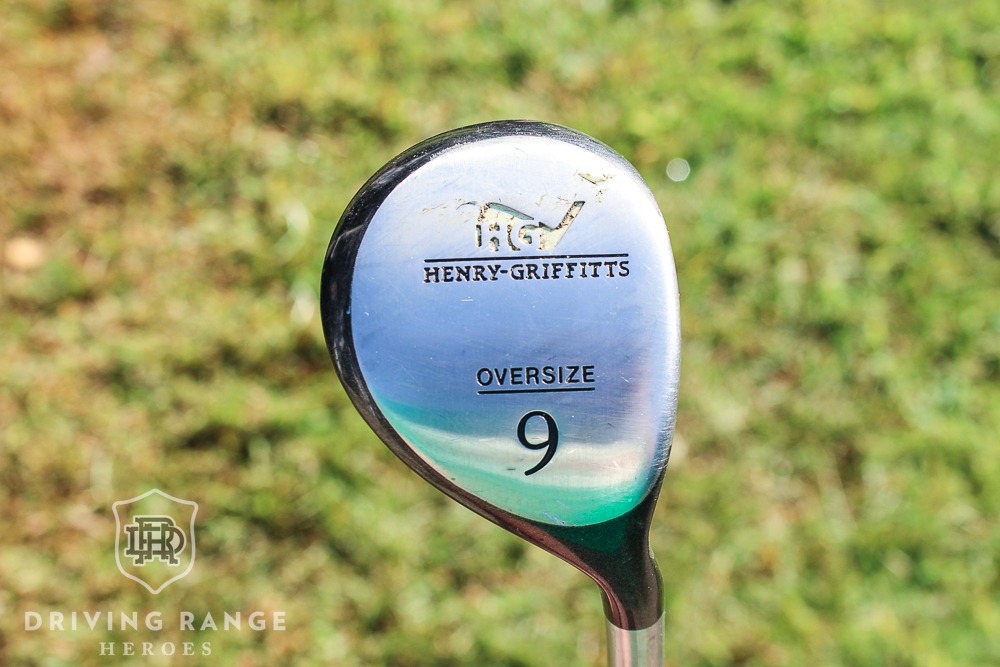
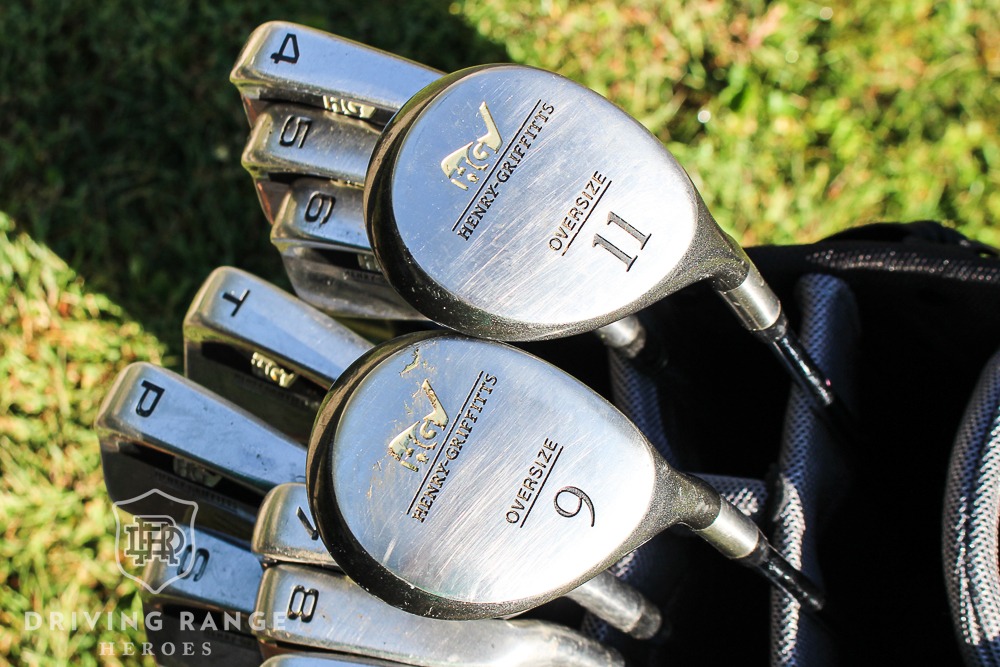
Later, I found a pair of H-G “oversize” 9 and 11 woods that were anything but oversize by today’s standards, but they completed the set for an on-course adventure. My research led me down a rabbit hole of Henry Griffitts’ custom-fit reputation and loyal following back in the day. Putting into play proved…challenging, but also fascinating and a glimpse into golf history.

A Quick Henry Griffitts Background
Henry Griffitts Golf launched in 1983 with a simple but revolutionary idea: every golfer deserves clubs built precisely to their swing. (It blows my mind that this wasn’t more common given the popularity of this mindset today.) Founders Randy Henry and Jim Griffitts pioneered practices now standard in custom fitting, like portable fitting carts, interchangeable heads, and live lie-angle testing. However, their clubs were never meant for big-box shelves. Instead, golfers worked with certified Henry Griffitts fitters who observed swings, tweaked loft, lie, length, and shaft profiles, and then hand-built clubs to those exact specs. That meticulous process carried a premium price, often matching or exceeding top lines from Titleist or Ping. This earned the brand a reputation for tight build tolerances, consistent feel, and durability. Golfers who went through the fitting process knew they were getting something unique, not mass-produced, and built precisely for their swing.
While the brand isn’t as widely known today, Henry Griffitts hasn’t disappeared. After a 2009 sale to aboutGolf and a later acquisition by Overload Golf Ventures, the company continues to focus on custom-built gear through a small network of certified fitters. You won’t find these clubs in every pro shop, but they’re still out there.

Putting the Henry Griffitts Golf Clubs Into Play
My Henry Griffitts Golf haul was a 4-through-pitching-wedge set, plus a sand and a “T” wedge. The iron heads looked unusual from the start. There’s plenty of offset and a shape that screamed “90s design”. As someone else’s super-customized clubs, they clearly weren’t going to be a good fit for me, but that’s half the fun of thrifting.
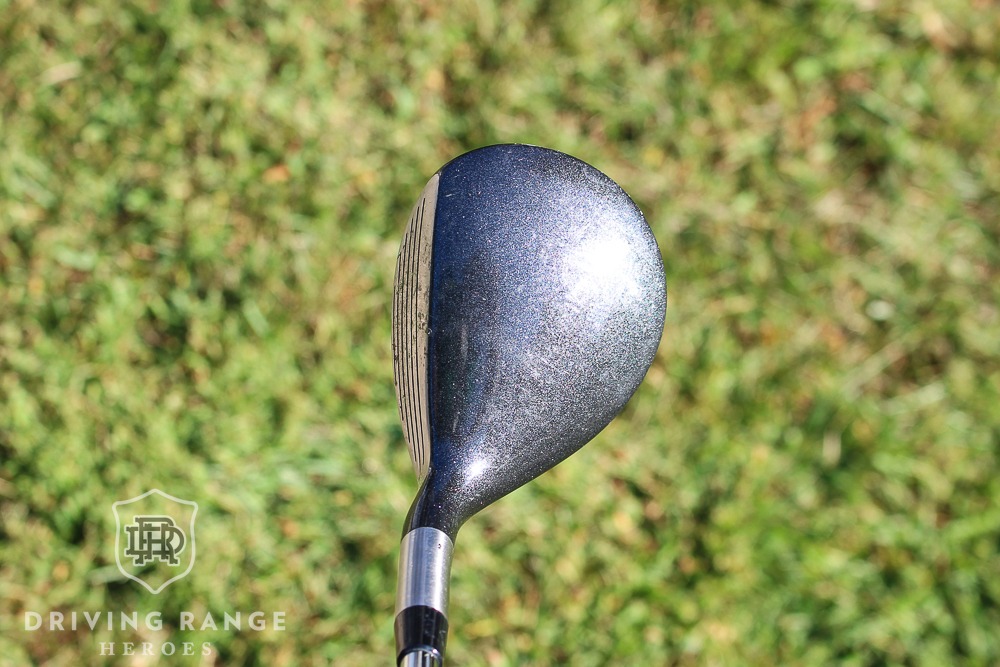
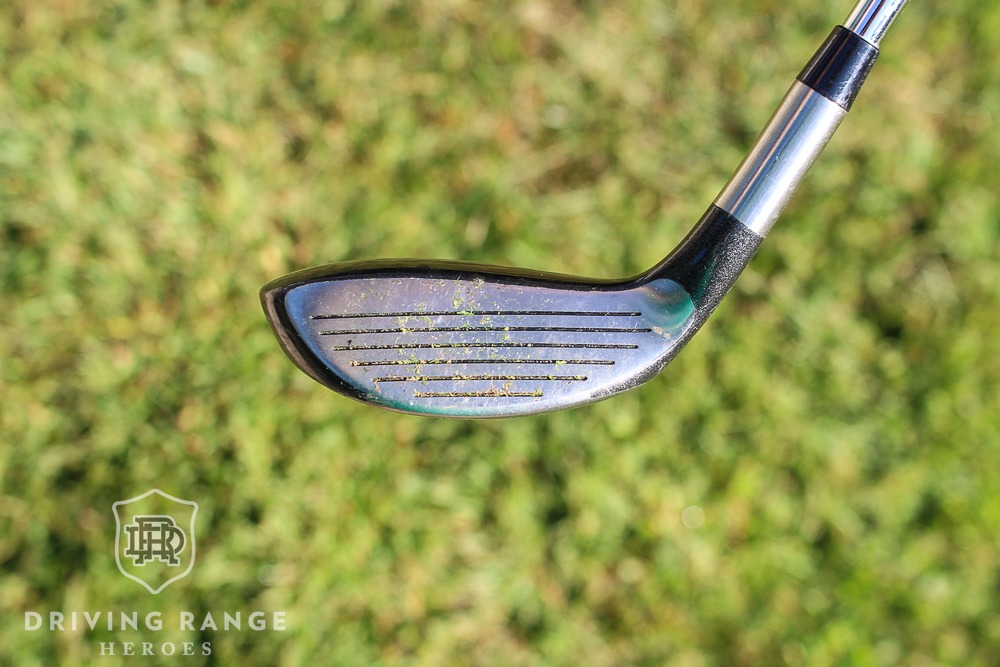
The Henry Griffitts 9 and 11 woods that I later found had a wild amount of offset and were tiny little shallow woods. I guess at a point in time these could have been considered oversize as branded, but certainly not these days.
I took all of these clubs to the course without measuring a thing. No clue on length, lie, loft, etc, but I knew they weren’t built to my specs. All I knew was that they grips still had enough tack to them that I could hang onto them with a full swing. Setting the club behind the ball, the toes would sit so high in the air that it was a miracle I could hit anything but the hosel of the club. The sand wedge felt almost unplayable around the greens. And as much offset as there is in these heads, I had the hardest time getting these clubs to turn over. So many right misses!
I can’t deny I hammered a few surprisingly solid shots with the 9 and 11 woods. So much so, I strongly considered keeping the 9 wood. Then I realized my surplus of vintage clubs along with much better modern fairway woods made that unnecessary. It was fun to turn a few heads and hit some big shots with these old clubs, though.

Final Thoughts – Henry Griffitts Golf Clubs
Playing the Henry Griffitts golf clubs was a mix of an unnecessarily annoying challenge, and thrift-golf delight. Every shot with the irons felt like a battle, but that made a well-struck shot that much more rewarding. Beyond the on-course quirks, it was fascinating to experience a brand that emphasized true custom fitting before it became an industry standard. Finding and using these clubs was an interesting opportunity to connect with a point in golf history that produced some weird gear, and a reminder of how much this space of the industry has improved.
As much as I enjoy a good thrift golf adventure on the course, I was more than eager to move on from these clubs. They were quickly donated back into the thrift golf universe that weekend and the start of the next adventure began!