PXG Lightning Driver
The new PXG Lightning driver lineup is built around a clear goal: generate faster ball speeds while improving stability and consistency across the face. At the core of the design is PXG’s Frequency Tuned Face technology, which optimizes how the face deflects and rebounds at impact to better align with the ball’s compression. Paired with a carbon-heavy chassis, spined sole design, and precision weighting system, the Lightning drivers aim to deliver speed without sacrificing control.
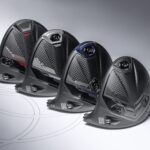
The Lightning family includes four distinct models. The Max 10K+ is designed for maximum forgiveness and stability, the Tour Mid blends forgiveness with a more neutral, lower-spin profile, the Tour focuses on tighter dispersion and workability, and the Max Lite offers a lightweight, higher-launch option for players seeking easier speed.
For this review, I tested the PXG Lightning Tour driver built to my specs after going through PXG’s in-store fitting process. With the fit fully dialed in, the focus shifts to real-world performance and whether the Lightning Tour delivers the speed and control PXG is promising.
The Looks
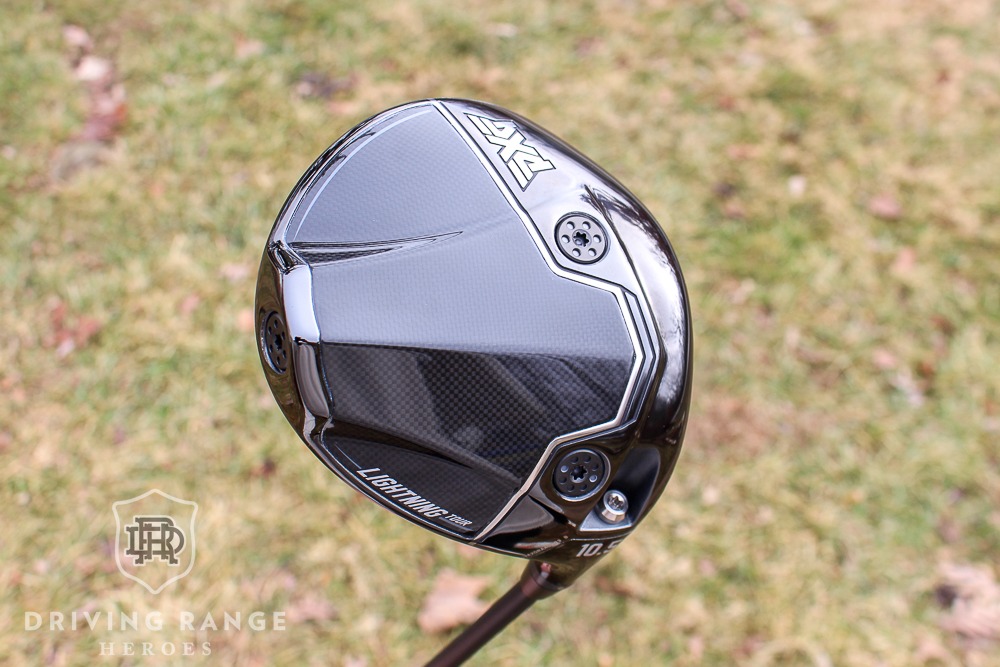
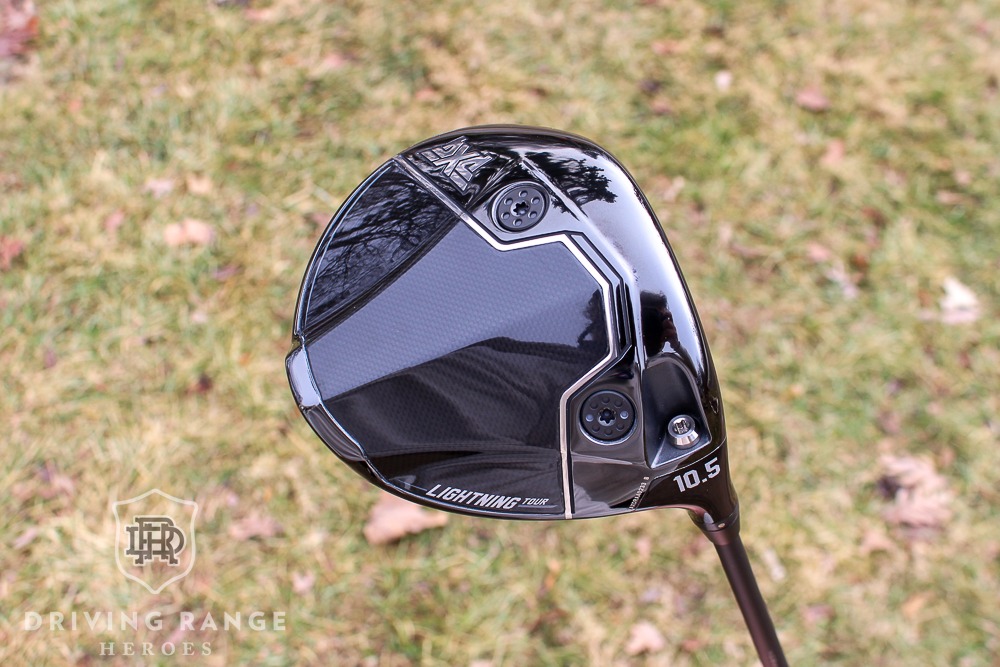
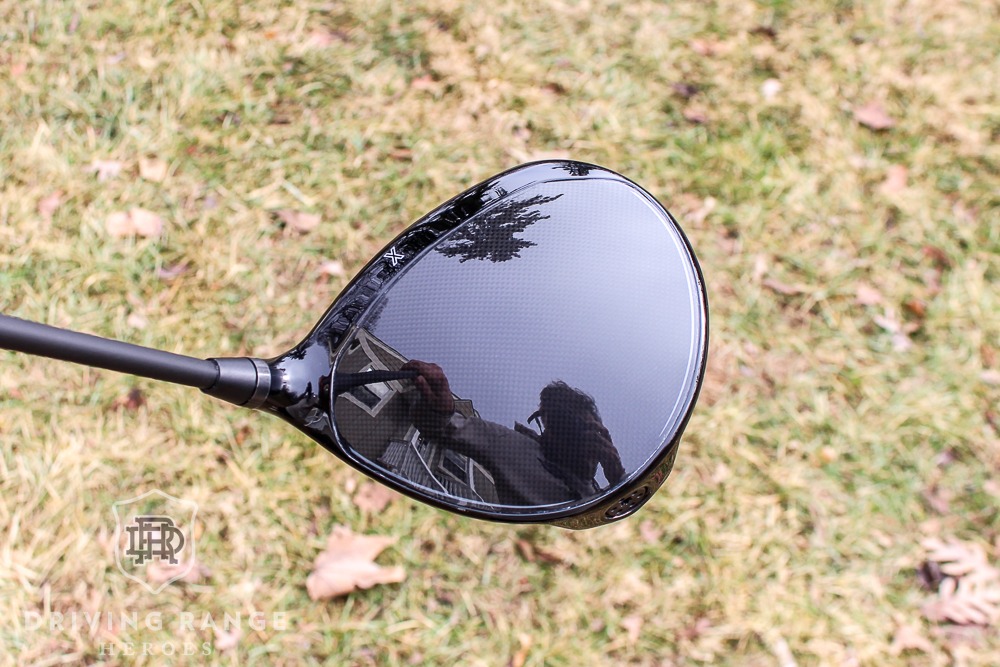
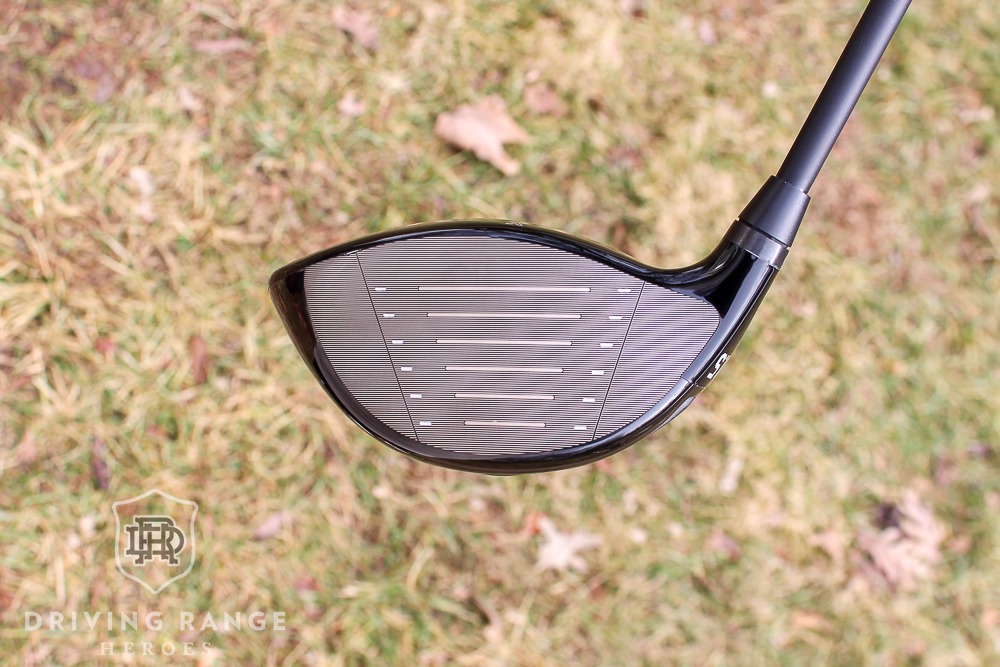
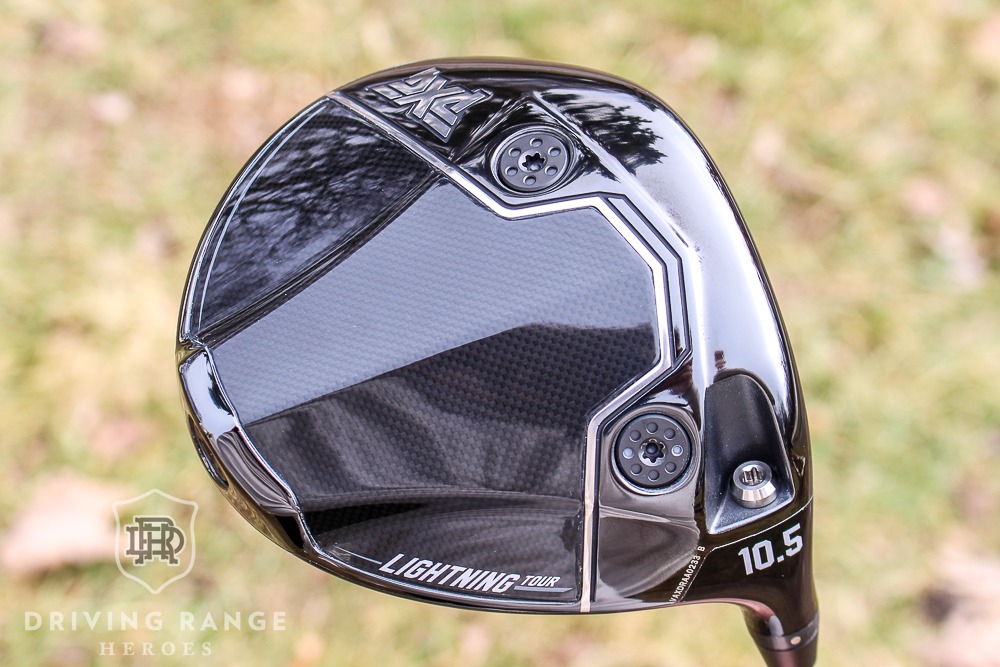
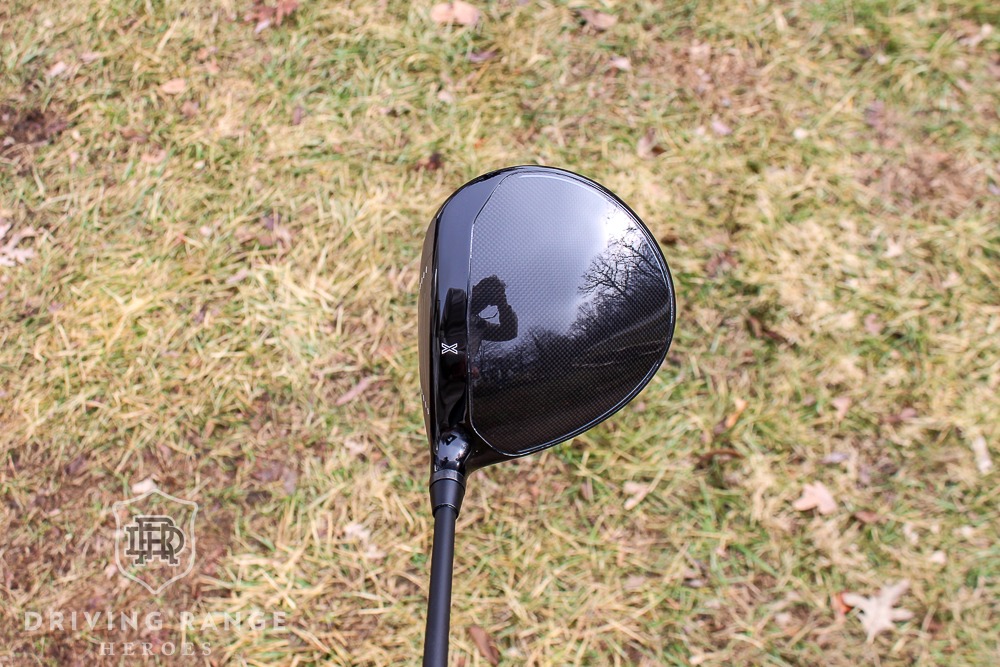
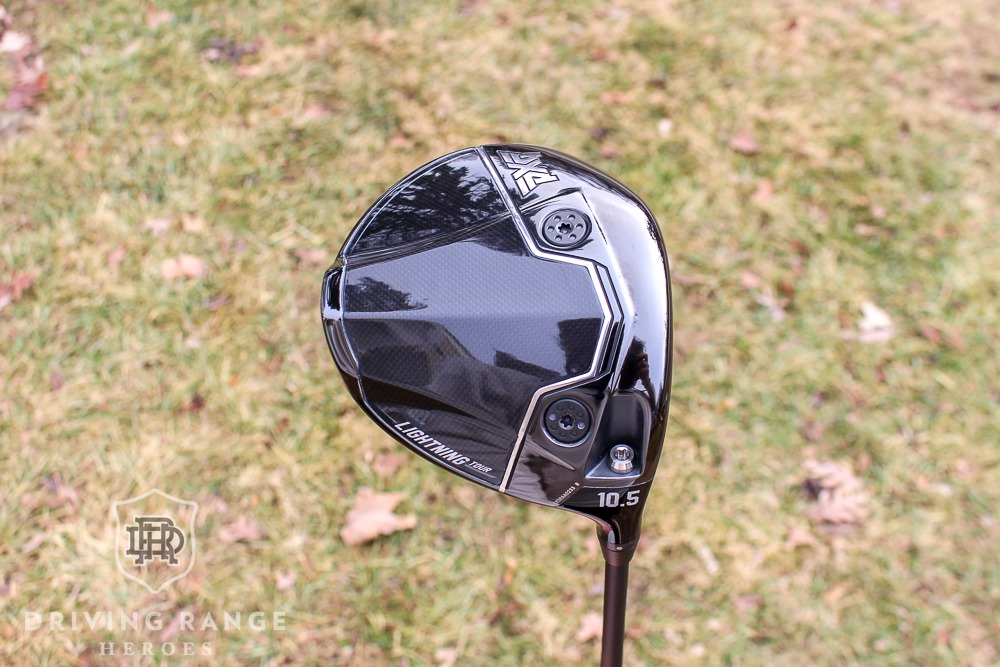
The visual footprint of the PXG Lightning drivers varies by model, and that’s noticeable right away at address. The Lightning Tour I tested has a classic, traditional shape by modern driver standards, with a moderate pear profile. It avoids the “stretched” or “pancake” look common in forgiving designs and should suit players who prefer a more compact, neutral appearance.
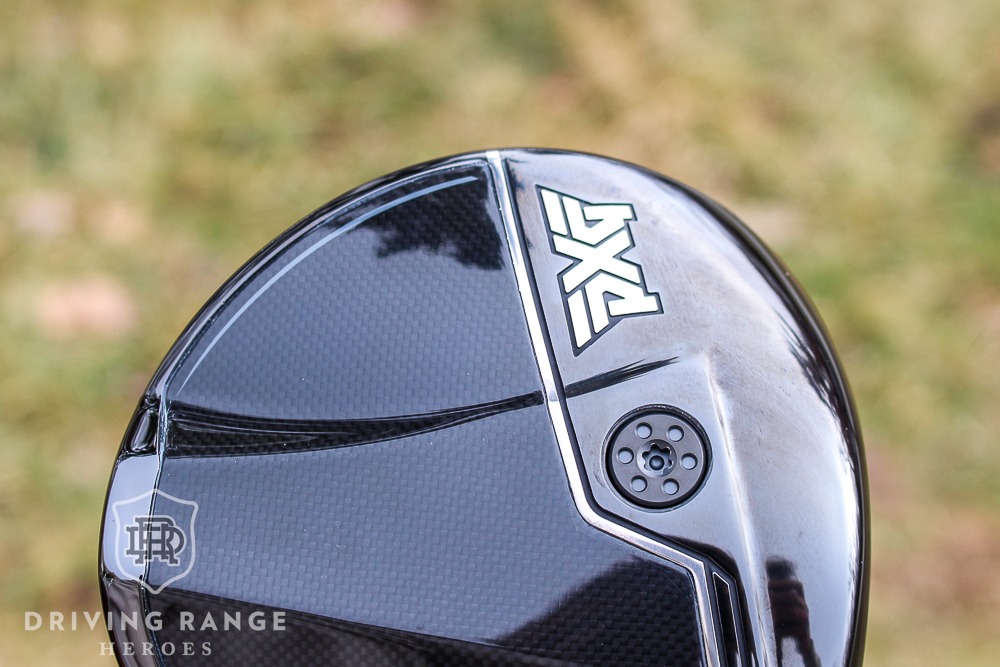
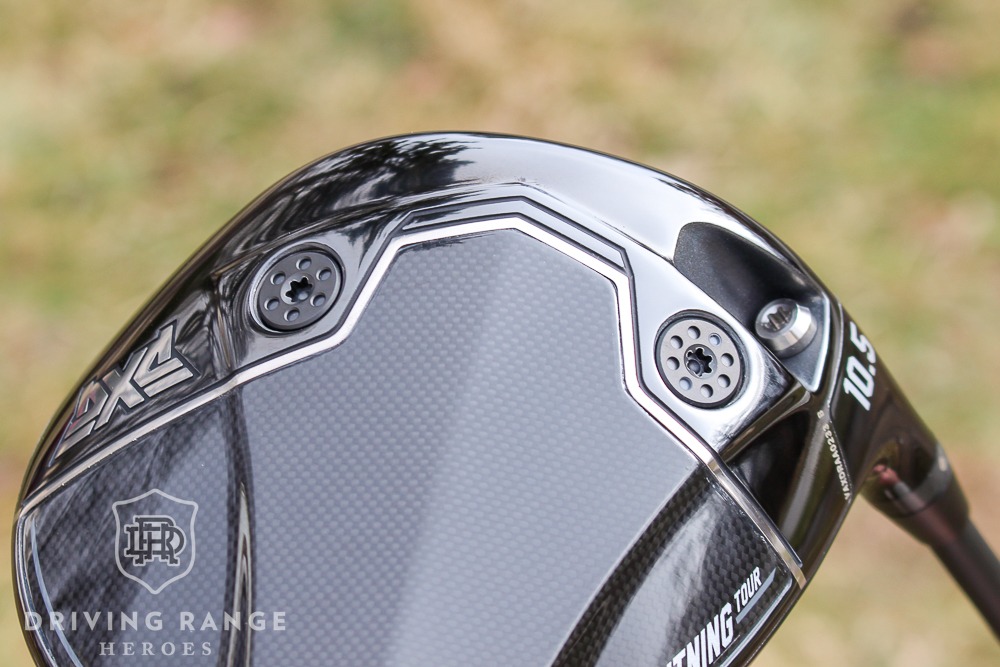
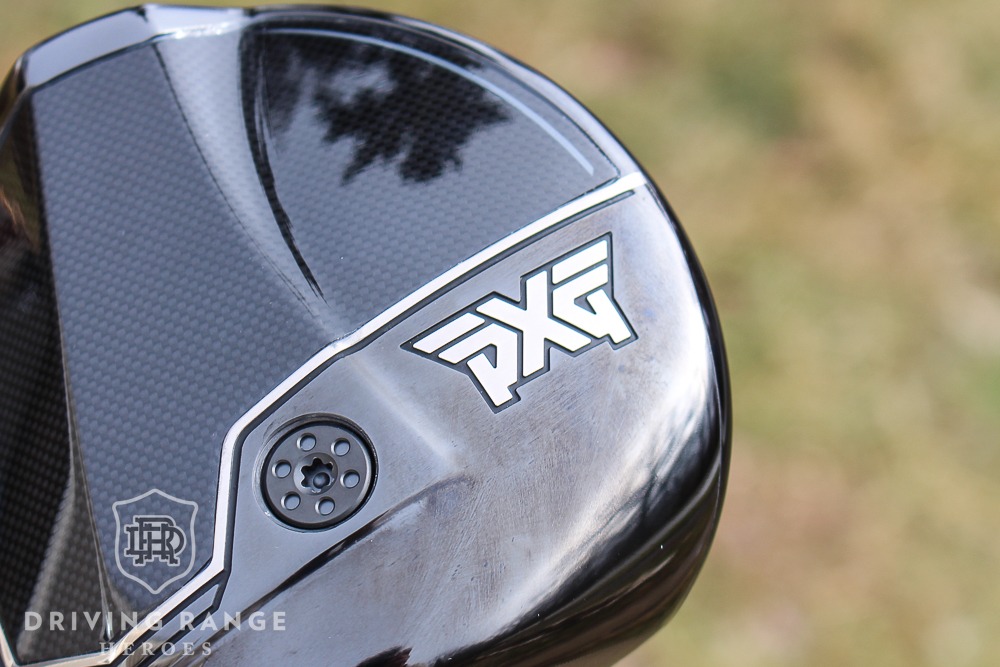
At address, the polished crown looks clean and refined, with a distinct separation between the face, topline, and the visible carbon fiber section. That contrast frames the ball well and keeps the view simple, giving the Lightning driver a premium look without unnecessary distractions.
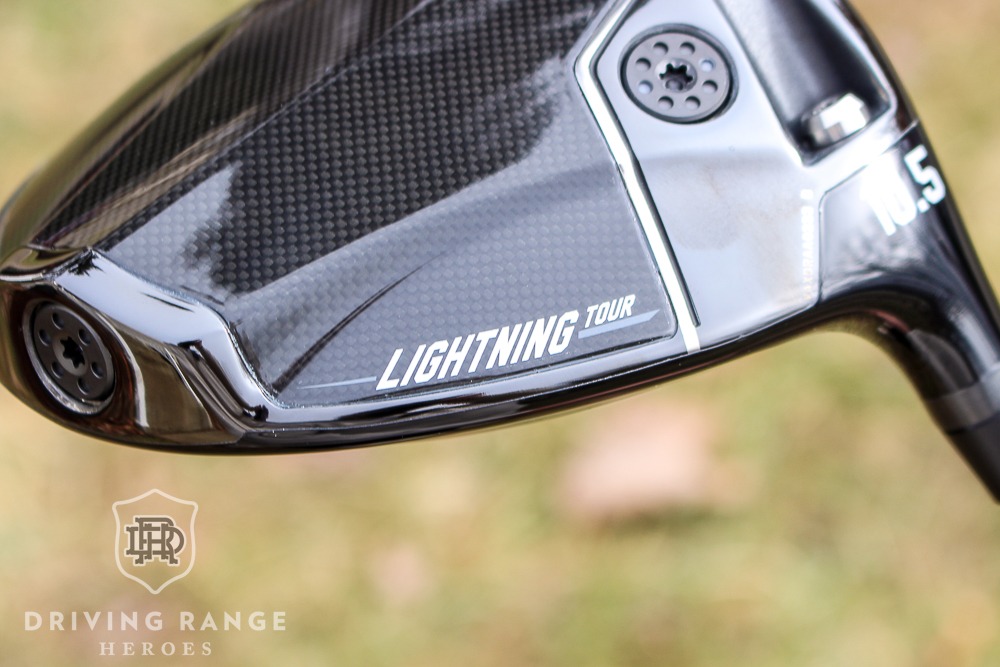
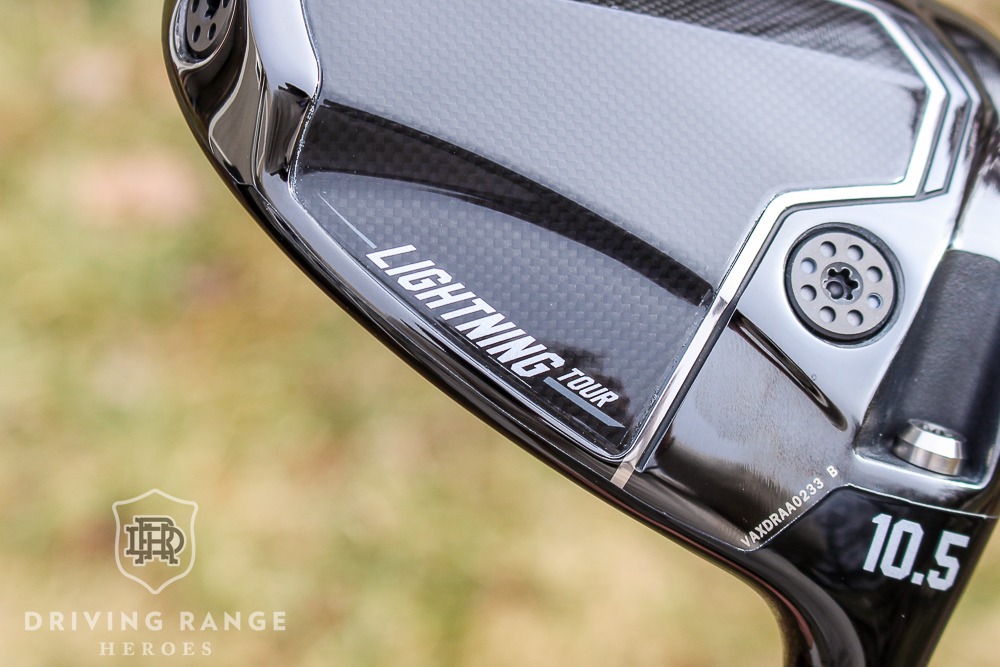
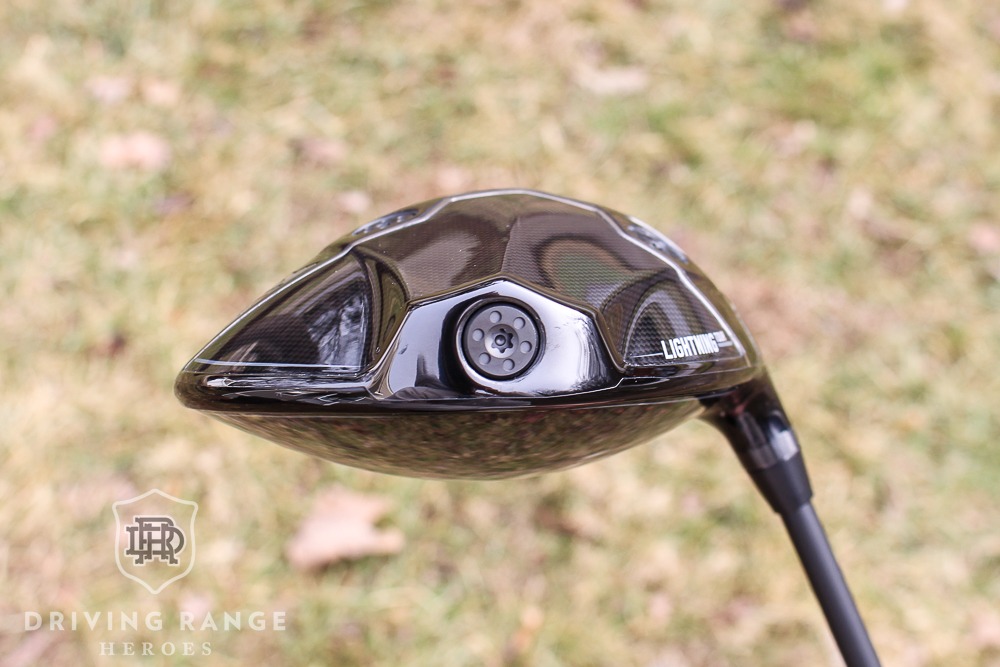
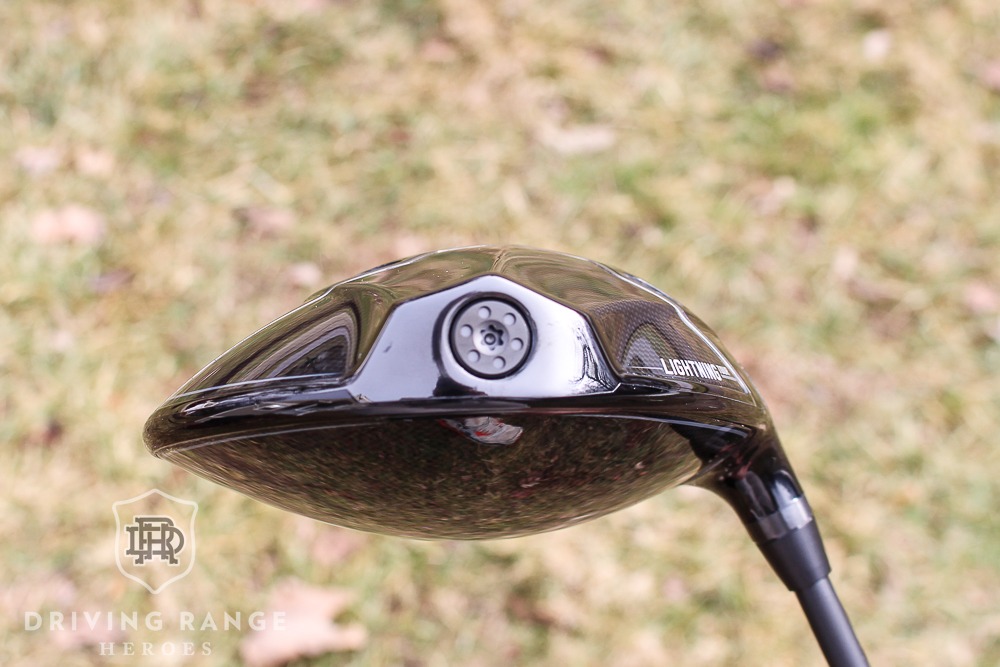
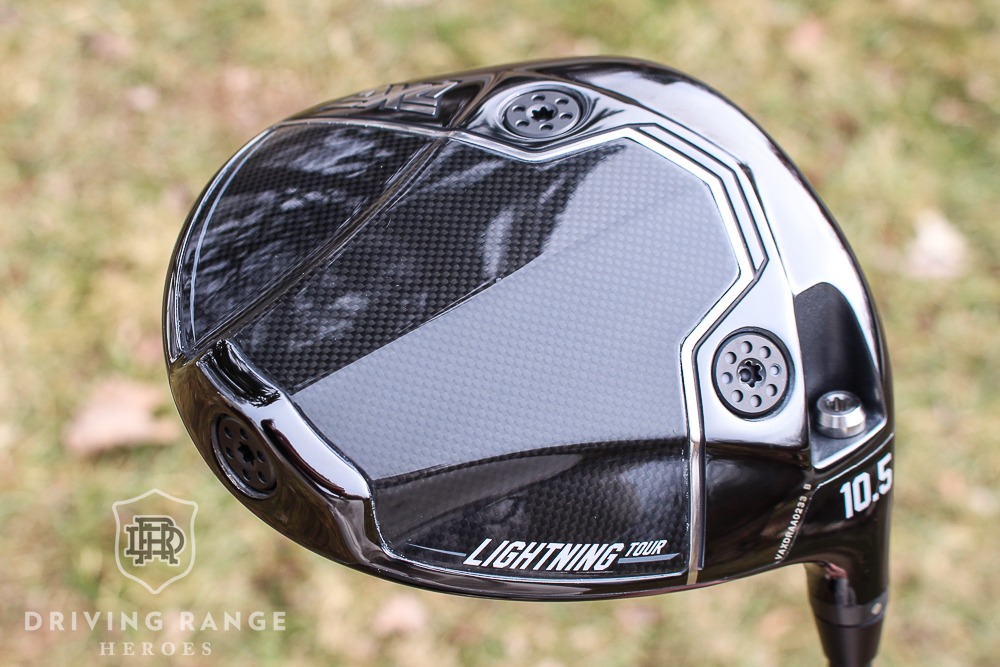
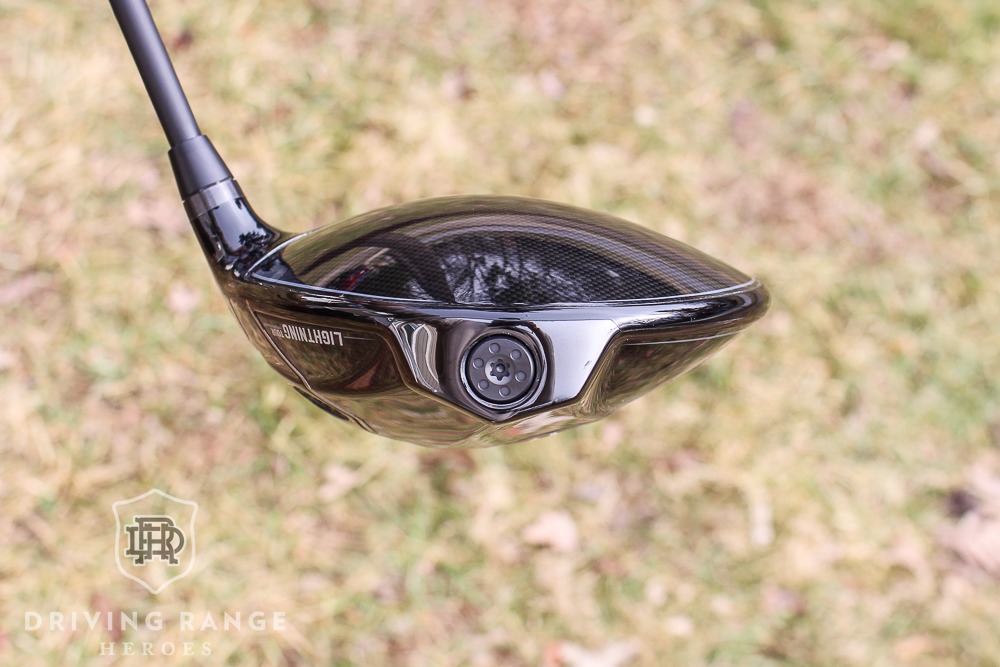
On the sole, the design shifts toward a more modern, performance-driven aesthetic. A large amount of exposed carbon fiber is immediately visible, reflecting PXG’s move to use 84% more carbon fiber than in previous generations. That additional carbon allows weight to be redistributed more efficiently, supporting higher stability without changing the traditional look at address.
The most distinctive visual feature is the spined sole design. This raised central spine adds structural rigidity to the head, helping stabilize the chassis and manage vibrations at impact while promoting more efficient energy transfer through the face.
How Does it Feel?
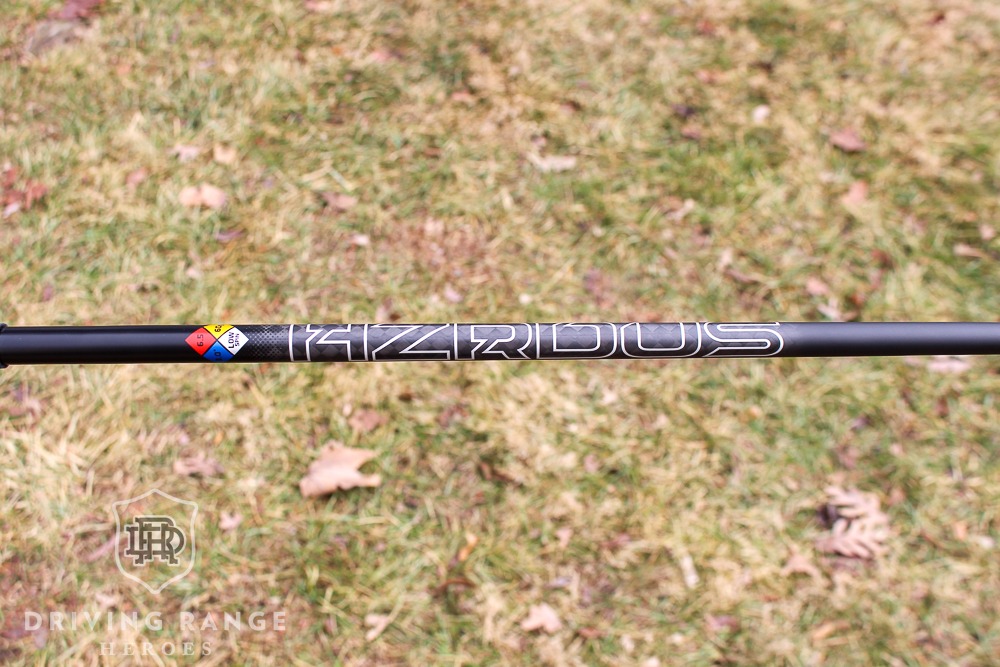
All four PXG Lightning drivers are built with player-friendly MOI profiles. Even the Lightning Tour, the least forgiving model in the lineup, feels stable and well balanced through the swing. I never felt like I had to fight or guide the club through impact to keep it under control, which is a common battle with low-spin/launch drivers. Especially when I was dialed in with the right shaft. The club was easy to slot consistently and reliably.
Impact on the face is responsive and precise, providing clear feedback without feeling harsh or dead. I always knew exactly where I was striking the ball on the face, and “how well” I caught it. There’s also something distinctly classic about the Lightning Tour driver’s feel, reminiscent of some of the better post-2010 drivers that blended rigidity with a lively, trampoline-like response. It’s a modern driver that still delivers a connected, traditional sensation at impact.
How Does it Sound?
The sound of the PXG Lightning Tour is reminiscent of some of those classic drivers from the past that I mentioned above, with a tone that feels familiar rather than overly engineered. It’s not loud, but it is assertive, with a subtle spring to it at impact. The carbon fiber construction helps mute the higher frequencies, keeping the sound from turning metallic or hollow.
On well-struck shots, there’s a clean, definitive “whap” with a touch of pop that makes center contact easy to recognize. Mishits toward the heel, toe, or low on the face firm up slightly, but they never sound dead or flat. There’s still enough feedback to know when contact wasn’t perfect without the sound becoming distracting or unpleasant.
On-Course Performance
| Club Speed | Ball Speed | Launch Angle | Spin | Carry (Yds) | Total (Yds) |
|---|---|---|---|---|---|
| 115.3 | 170.6 | 13.6º | 2541 | 292.6 | 301.3 |
Before getting into results, it’s worth stressing how important proper fitting is with the PXG Lightning driver lineup. Going through PXG’s fitting process allowed me to land in the correct head model and dial in loft, shaft, and weighting so everything worked together for my swing. (Shout out, Jake…) I ended up with a 2.5g weight in the back, 7.5g in the heel, and 2.5g in the toe, which gave me the right balance and feel for consistent swings. That setup produced a reliable launch window, tighter dispersion, and optimal spin for my shot.
One of the Lightning driver’s headline technologies is PXG’s Frequency Tuned Face, designed to improve energy transfer and maintain ball speed across more of the face. In testing, that showed up as consistently fast ball speeds and a launch window that was powerful and contained. Even when contact wasn’t perfect, speed retention remained solid and the ball didn’t fall out of the air.
Across multiple range sessions and a cold January 18-hole round, the Lightning Tour delivered a strong, penetrating launch with controlled spin that made it easy to keep tee shots in play. Dispersion stayed tight, and the driver never felt like it was chasing basement-low launch and spin at the expense of control. The result was repeatable strong performance rather than chasing the occasional standout win with a low/low driver.
Final Thoughts – PXG Lightning Driver
The PXG Lightning Tour driver delivers a responsive, controlled, and player-friendly feel with a clean look. It’s really a strong blend of modern performance with classic looks and feel. Like any golf club these days, a good fitting is ideal. Once I was dialed in, the Lightning Tour delivered consistent ball speeds, a powerful and controlled launch, and dependable dispersion. More importantly, it felt immediately trustworthy out of the gate.
I’d say what stood out most for me was the feel. The classic, connected sensation at impact while still taking advantage of modern engineering really made for a pleasant experience. PXG’s Frequency Tuned Face, carbon chassis, and movable weighting all come together to create a driver that’s both responsive and flat out reliable. For golfers who want a driver that performs reliably without feeling over-engineered, the Lightning Tour delivers.
Stock PXG Lightning Driver Specs
| Model | Loft | Length | Head Volume | Stock Flex | RH/LH |
|---|---|---|---|---|---|
| Lightning Max 10K+: | 9°, 10.5°, 12° | 45.5″ | 460cc | L, SR, R, S, X | RH/LH |
| Lightning Tour Mid: | 8°, 9°, 10.5° | 45.5″ | 460cc | L, SR, R, S, X | RH/LH |
| Lightning Tour: | 8°, 9°, 10.5° | 45.5″ | 460cc | L, SR, R, S, X | RH/LH |
| Lightning Max Lite: | 10.5°, 11.5° | 45.5″ | 460cc | L, SR, R, S, X | RH/LH |