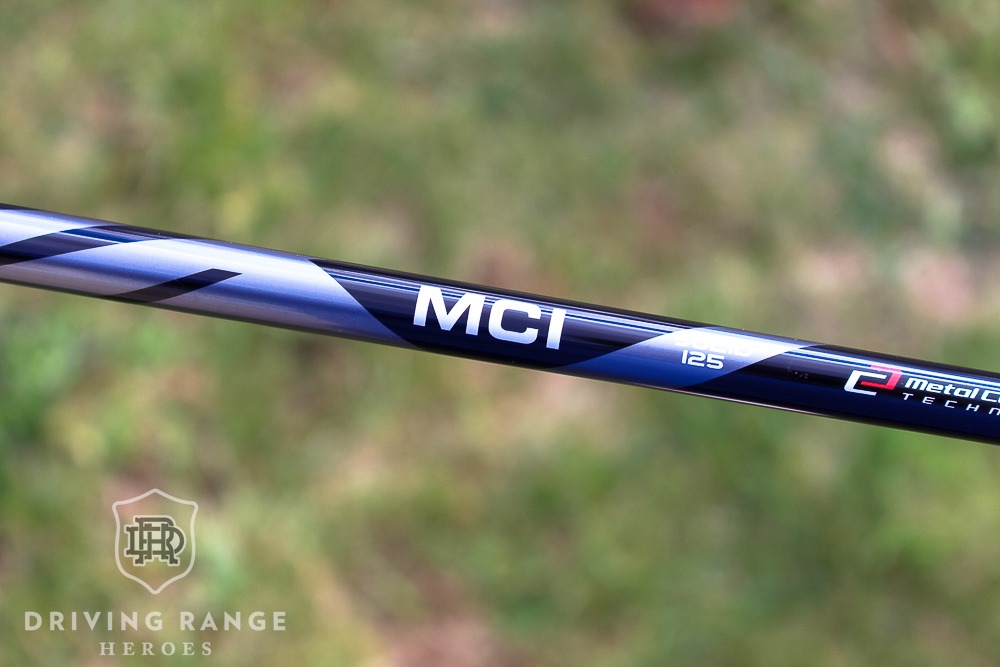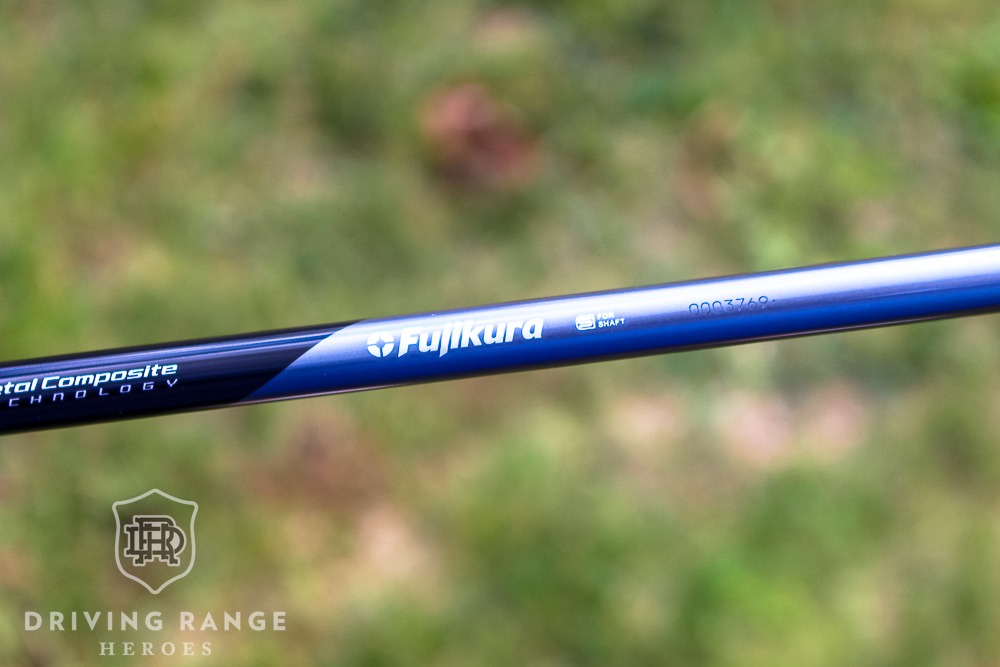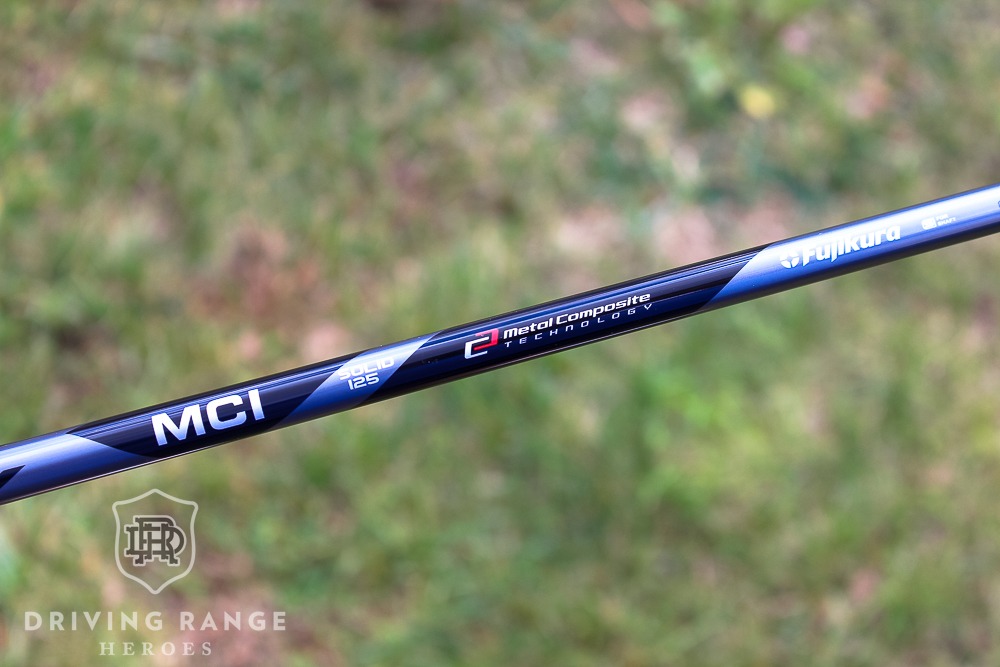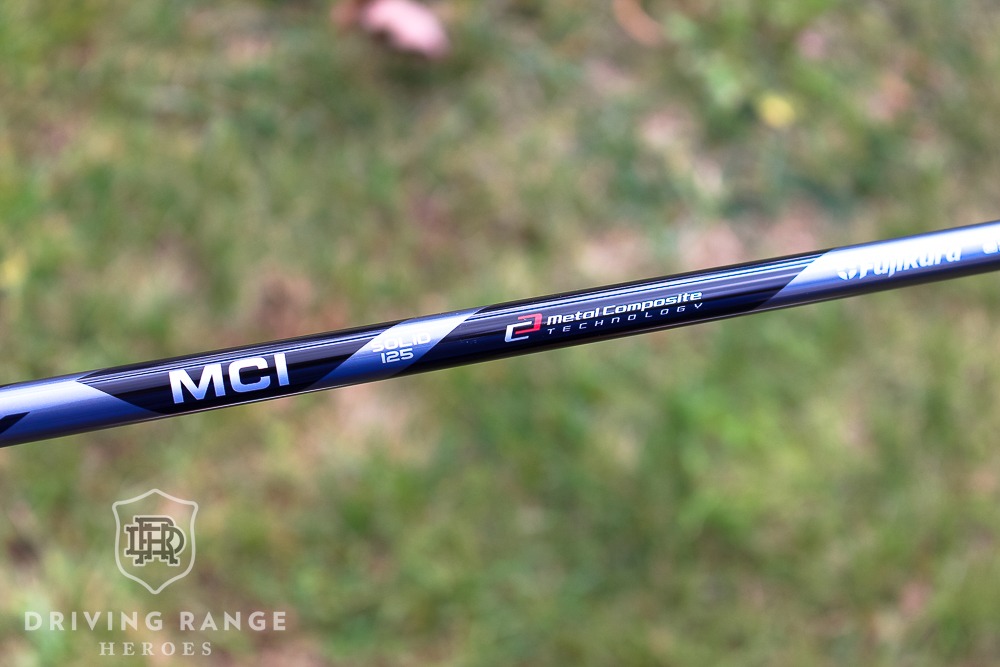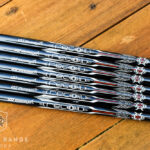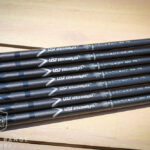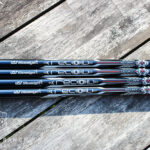

Fujikura MCI Wedge Shaft
If you’ve been following along with our graphite wedge shaft experiment series, you know the goal isn’t to crown a single “winner.” Instead, we’re testing different graphite options in wedges, like the Fujikura MCI wedge shaft, to see what works, what doesn’t, and whether they can realistically compete with traditional steel. In our first round with the UST Mamiya Recoil DART, we felt that weight is the biggest factor when making the switch and that subjective feel is just as important as launch numbers.
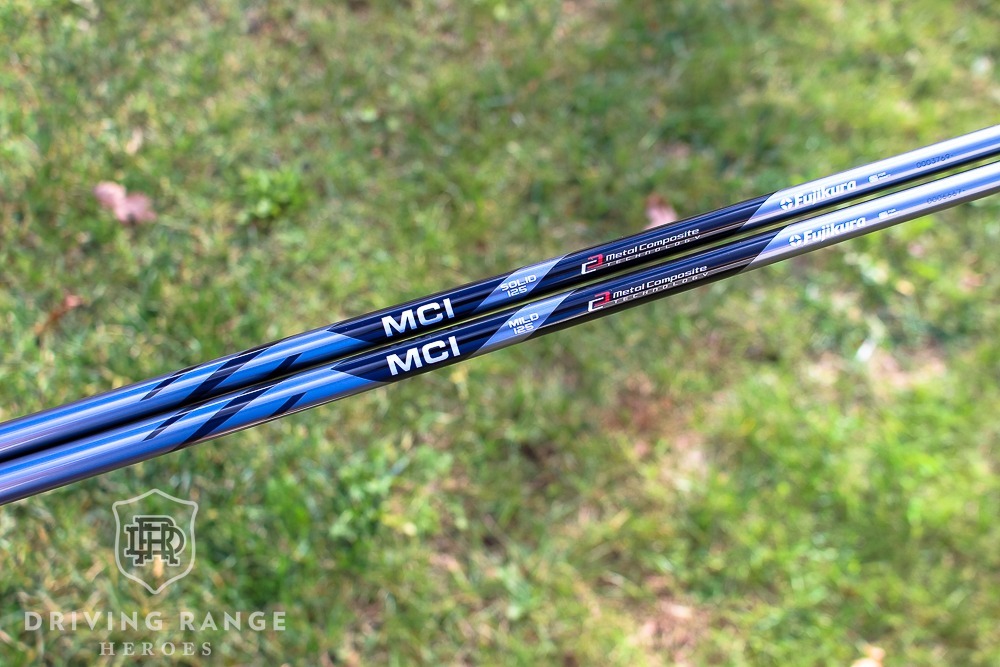
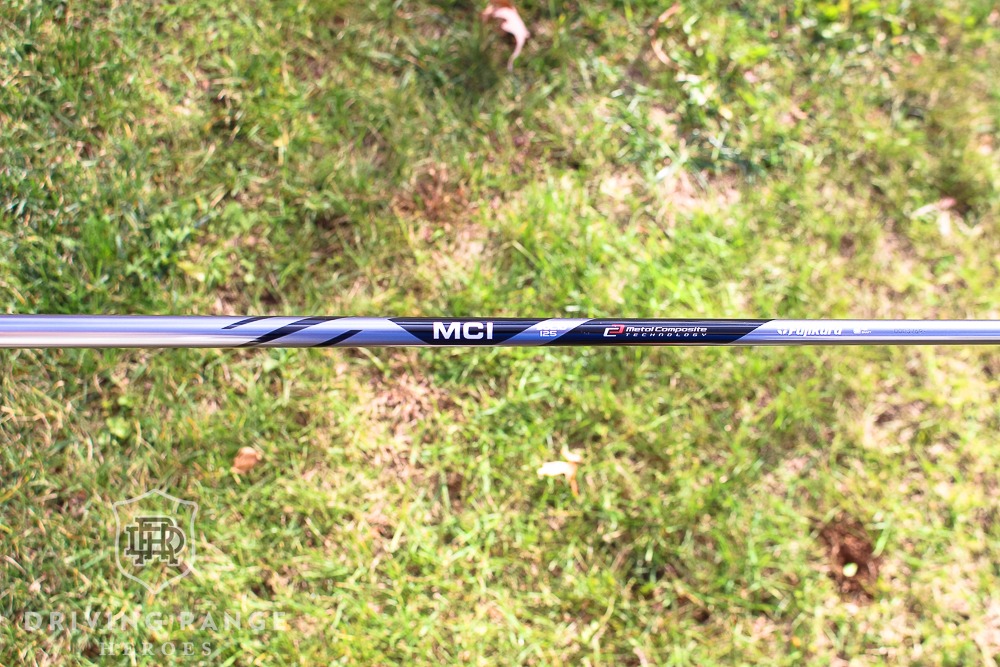
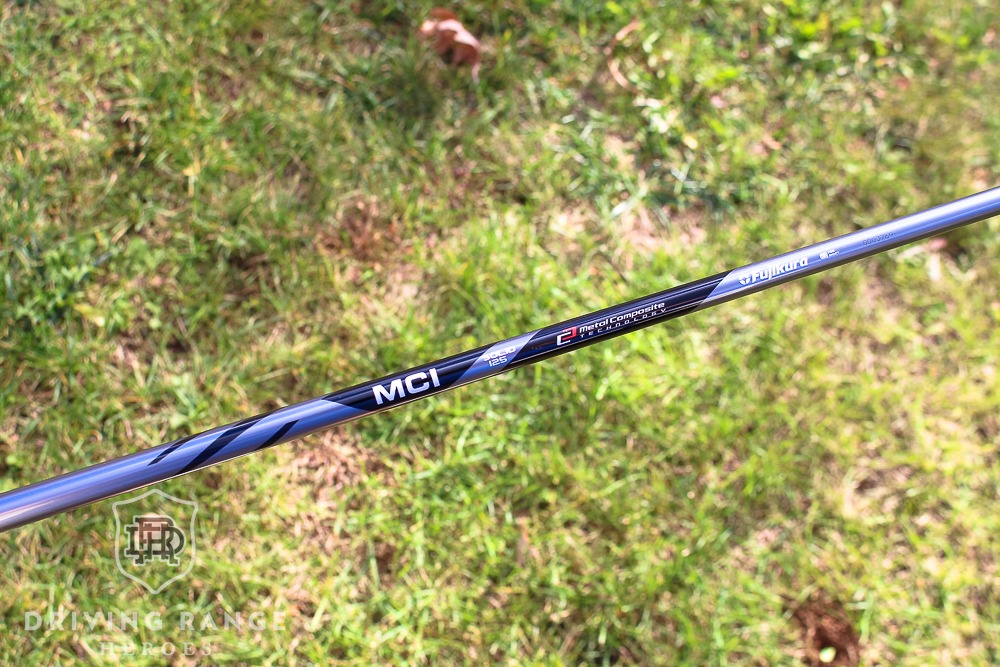
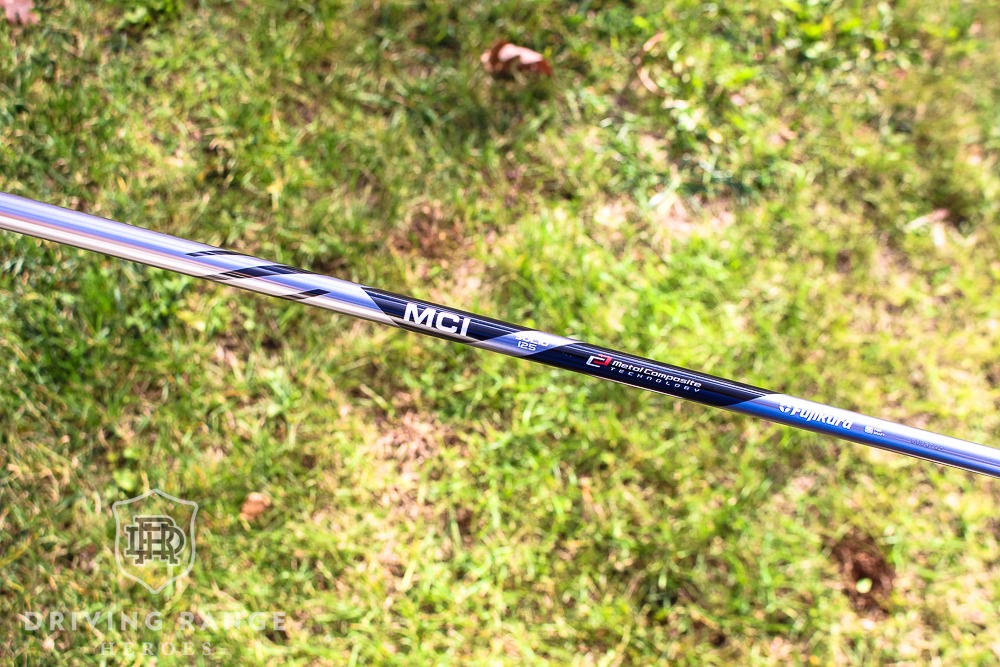
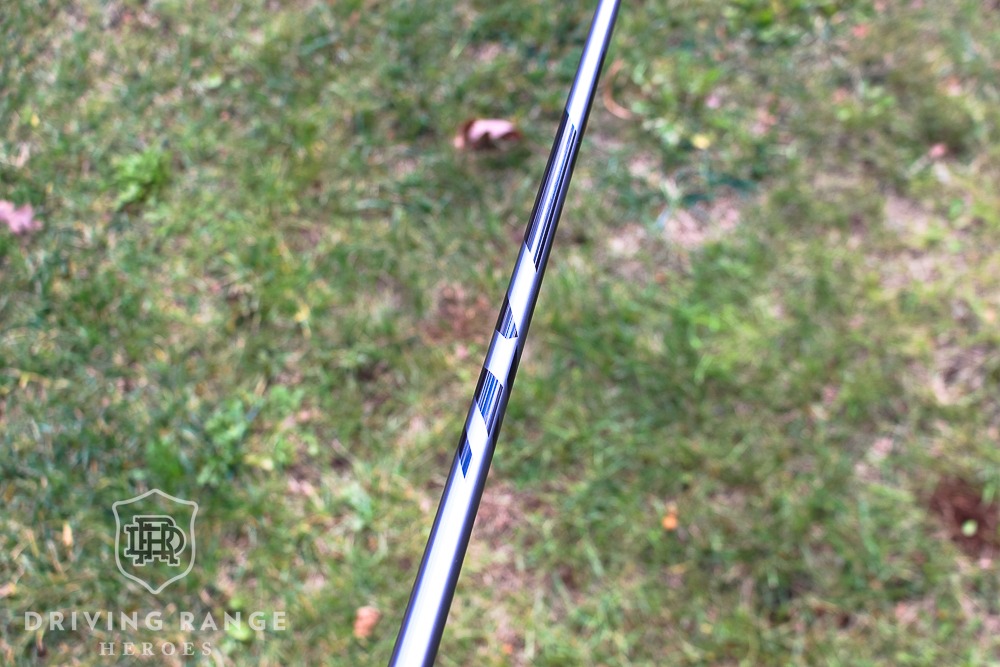
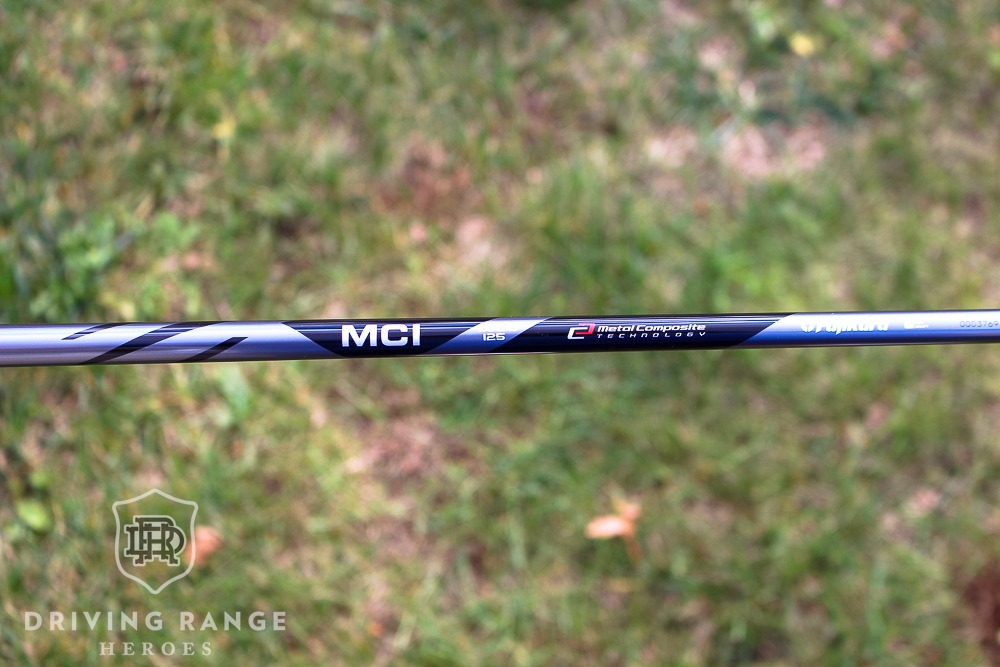
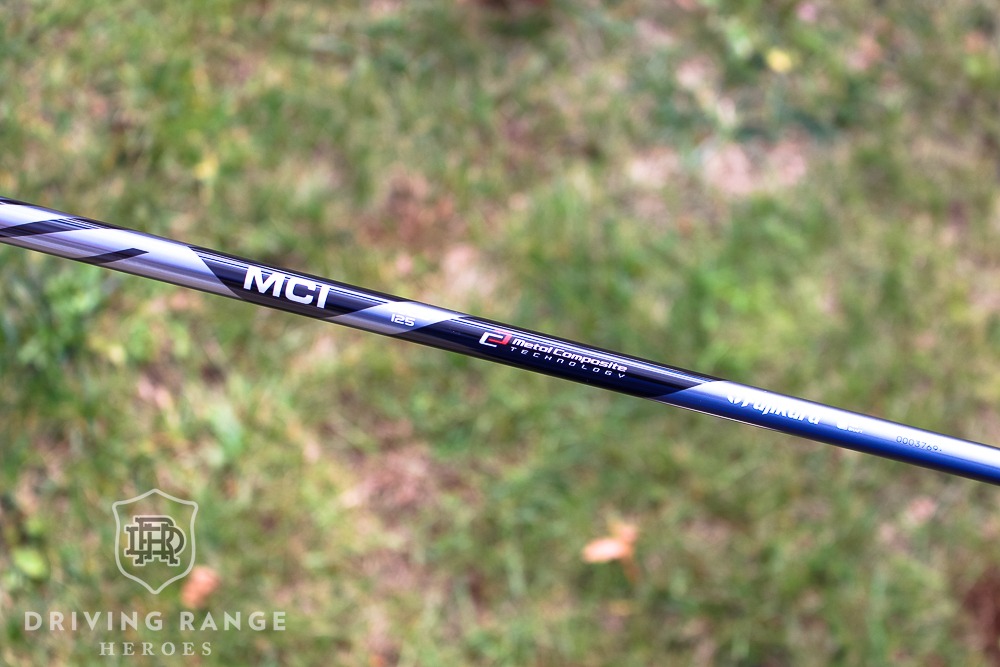
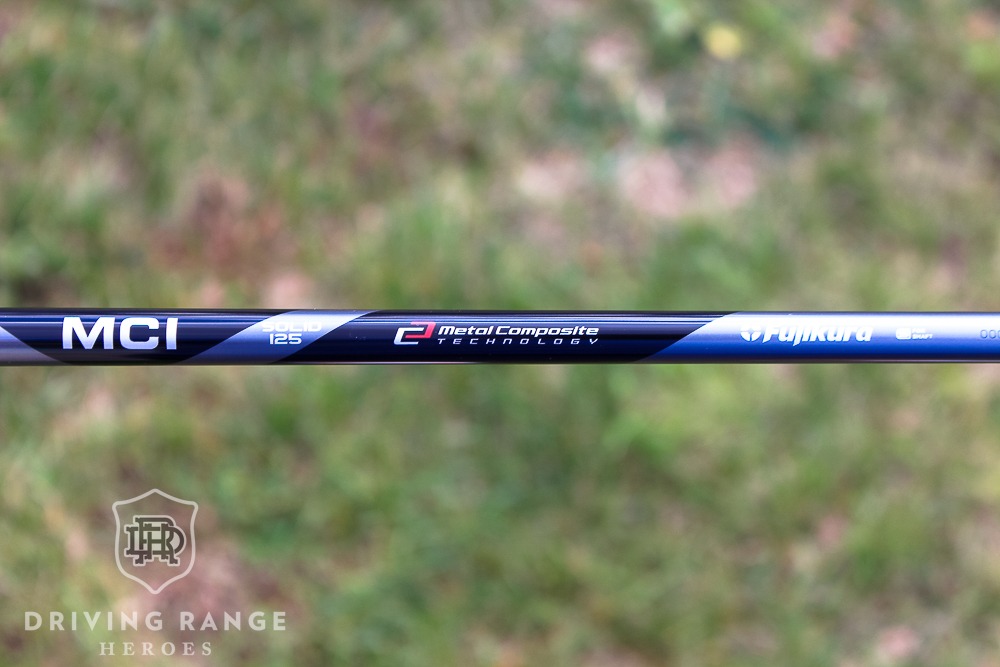
For Part 2, the spotlight is on the Fujikura MCI wedge shaft, which might just be one of golf’s best kept secrets. The MCI uses a multi-material construction, blending a graphite body with a steel fiber weave integrated into the tip section. This design strengthens stability where it matters most, near the clubhead, while preserving the smoother, vibration-dampening benefits of graphite throughout the rest of the shaft. The concept is the same one Fujikura carried into their putter shafts, giving players a feel that’s stable, controlled, and connected without the harshness of traditional steel.

How Does it Feel?
This is where the Fujikura MCI wedge shaft stood out most for me. It feels stable and connected without the harsh vibration you can get from steel. There’s just enough responsiveness in the shaft to keep you aware of the head throughout the swing, but vibration is pleasantly softened. I never felt like I lost touch with what the club was doing, even on delicate short shots. That said, there was definitely a sense of a smoother and softer feel in my hands.
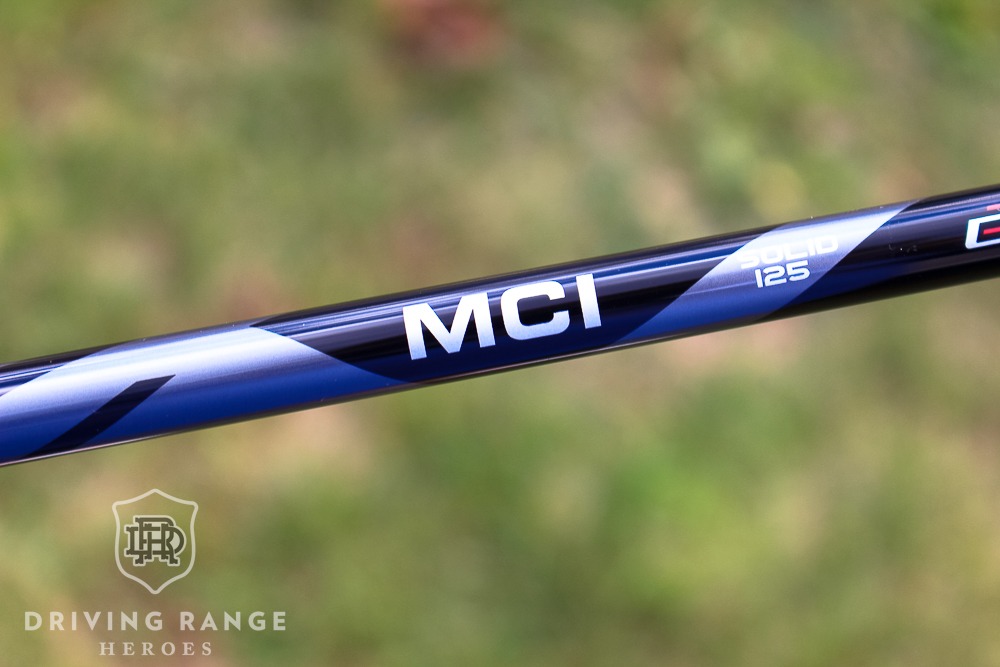
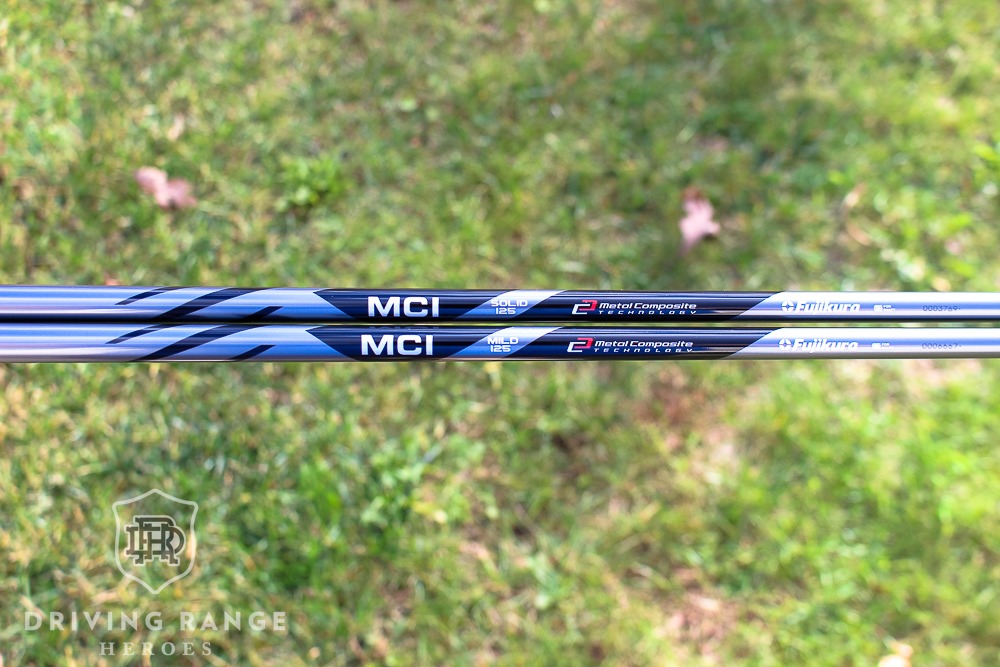
The MCI wedge shaft is offered in a range of weights, 105, 120, and 125 grams. This allows players to find a build that matches their swing and rhythm. Lighter weights will feel a bit easier to load, while the heavier versions deliver a firmer sensation. More aggressive tempos that struggle with lightweight graphite shafts will find the heavier weight favorable. Trust me, I’m exactly that golfer.
Fujikura also offers the MCI wedge shaft in two different spin profiles: Mild and Solid. Despite the names, I’m told Mild is designed to produce a slightly lower-spinning flight, while Solid generates more spin. It’s not the most intuitive labeling, but the distinction is noticeable. We tested the Mild in our sand wedge and the Solid in a lob wedge. Jon and I felt like the 125 Mild had the feel we needed to control full swings at longer distances. Solid had the feel we needed to manipulate short shots with slower swing speeds.
On-Course Performance
Of the graphite wedge shafts we’ve tested so far, the Fujikura MCI felt like the easiest transition from steel. A lot of that came down to a more familiar feel as a result of the metal composite technology. Ball flights were naturally a little tighter and launched slightly lower, which I’d attribute to both the heavier weight options and the firmer tip sections. That combination made the MCI easier to control on crucial scoring shots.
It’s hard to say whether that sense of comfort came from the shaft’s actual performance traits or simply from its somewhat familiarity to steel. Either way, I was confident playing it in my wedges. Most notably in my 60º lob wedge, the MCI delivered the control and responsiveness I’d expect from steel, paired with the smoother, more pleasant feel of graphite in my hands.
As for spin performance, I didn’t see dramatic changes in how much the ball bit on the greens compared to other wedge shafts. What stood out instead was the consistency and the confidence that each shot would react the way I expected. That predictability made it easier to commit to the swing and focus on execution, which in turn led to better control around the greens.
Final Thoughts – Fujikura MCI Wedge Shaft
The Fujikura MCI wedge shaft reinforced that performance in scoring clubs often comes down to confidence and feel. A shaft that suits your tempo and provides consistent feedback can make a big difference in how you attack shots, even if it doesn’t directly produce more spin or different trajectories. Whether shaft material will make a difference is going to generally be highly dependent on the individual.
What stood out for me was that the MCI clarified my wedge preferences. I need a heavier shaft, lower trajectory, and precise feedback. Adding in the smoother, clean feel of graphite is a pleasant bonus that makes the wedge a little less intimidating. That made delicate scoring shots, especially with my 60º lob wedge, feel more controlled and confident.
And a quick shoutout to Sub 70 Golf for the TAIII wedge heads used in this ongoing experiment! This has allowed us to keep our comparisons as consistent as possible as try out different brands’ shafts.