
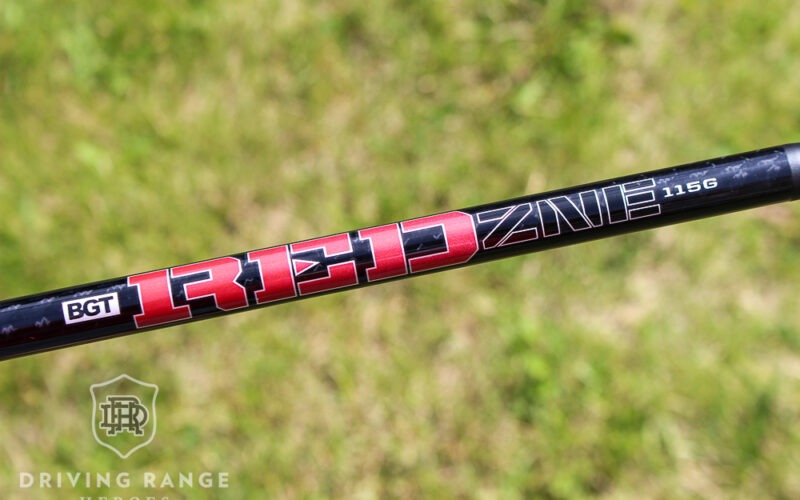
BGT ZNE Wedge Shaft
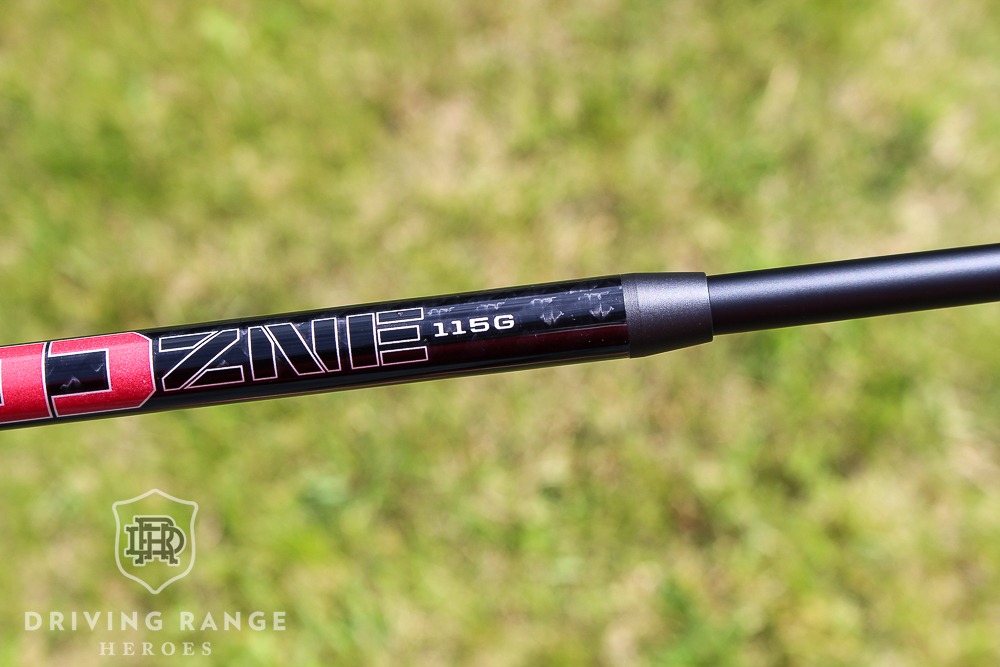
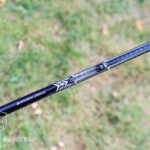
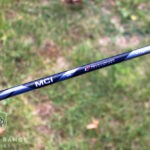
One of the more intriguing parts of this graphite wedge shaft experiment is seeing just how far brands are willing to push design. The Breakthrough Golf Technology ZNE wedge shaft takes that idea to the extreme. BGT is best known for their putter shafts, but with the ZNE they’ve brought a completely different construction style to wedge shafts. Instead of weaving materials together like we saw in the Fujikura MCI or Mitsubishi MMT, the BGT ZNE is actually built from multiple fused pieces. That gives it a thicker composite upper section, a thinner carbon fiber lower section, and a balance that feels unlike any other wedge shaft we’ve tested so far.
How Does it Feel?
The BGT ZNE wedge shaft delivers one of the most distinct feels I’ve ever experienced in a wedge. Its robust carbon upper section is extremely stiff (54% stiffer, according to BGT) and it removes a massive amount of vibration. I can honestly say I haven’t felt another wedge shaft like it.
The feedback is still there, but it’s noticeably different. I didn’t realize how much I relied on vibration as part of my short-game feedback until it was gone. The ZNE’s stability brings a simplified, almost mechanical consistency to contact, similar in spirit to what BGT’s putter shafts offer. It took some time to adjust on shorter touch shots around the green, but full swings felt solid and confident once I figured out the rhythm.
On-Course Performance
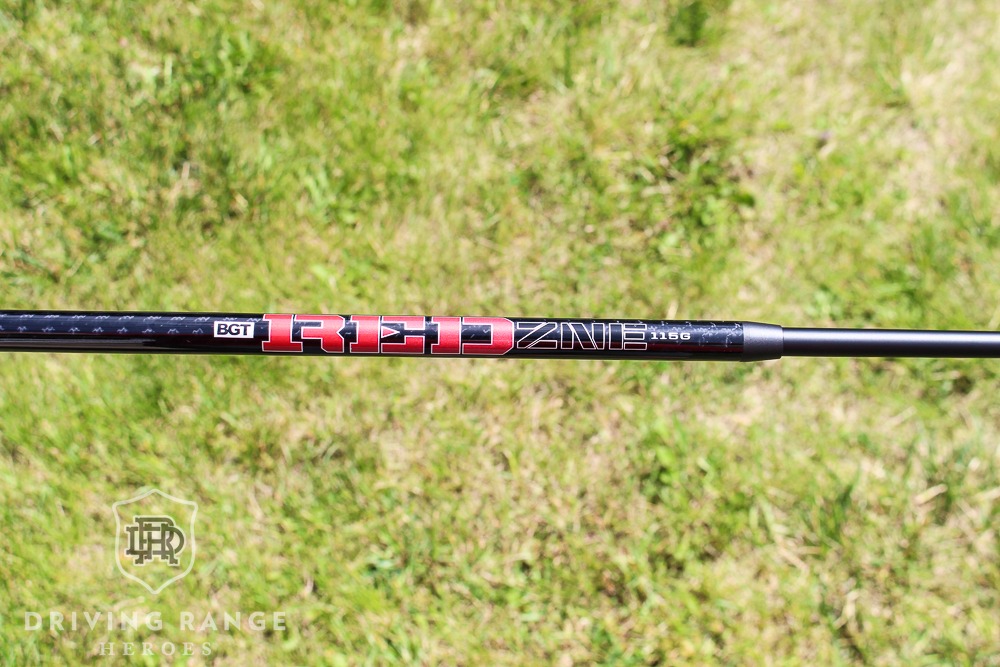
Once we adjusted to the stiffness, the BGT ZNE wedge shaft quickly showed its strengths. Full swings felt incredibly stable, and the stopping power was impressive. Definitely more than you’d expect from such a rigid design. After a short learning curve, it started to feel like you could just fire darts with confidence with full wedge swings especially. The stability and tight dispersion made it easy to trust on approaches from 60 yards and out.
Short-game shots around the green were a slightly different story. For us, the ZNE was tougher to get comfortable with on pitches and chips. The same stability that makes it so reliable on full swings can work against you if you rely heavily on feel and touch. Players with a more structured or body-driven short game find it ideal. But for those of us with a “handsy” style, it takes some commitment and adjustment to unlock its potential. Finding that balance between stability and finesse is key to getting the most out of the ZNE close to the green.
Final Thoughts – BGT ZNE Wedge Shaft
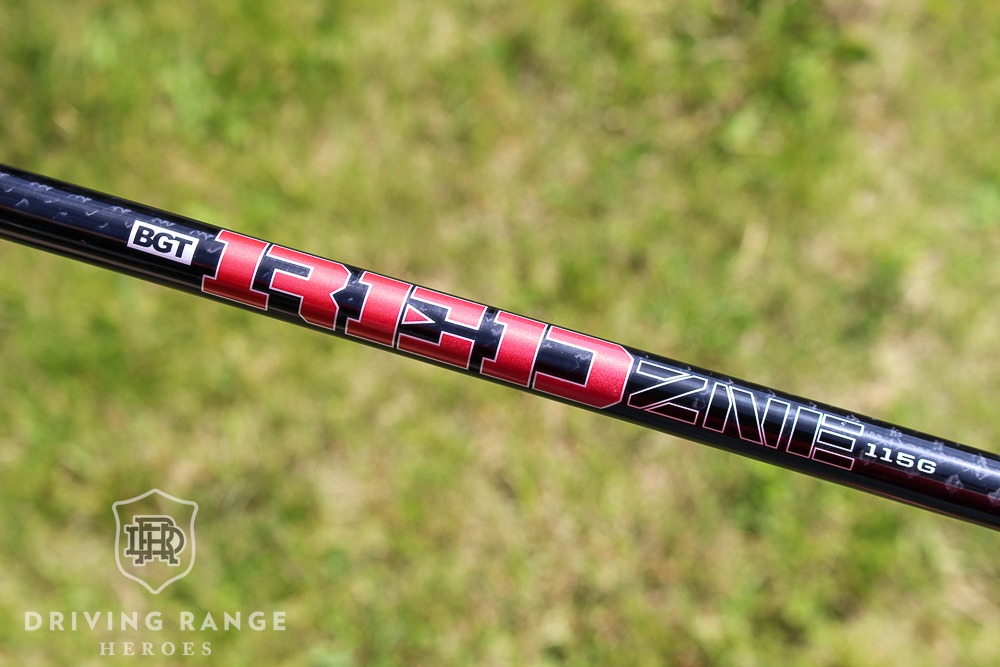
The BGT ZNE wedge shaft was a fascinating stop in our graphite wedge shaft journey. It represents the most extreme interpretation of multi-material design we’ve tested so far. Less of a traditional shaft and more of an engineered system. Its multi-piece construction delivers incredible stability and control on full swings, but it also asks for some adjustment in your wedge game.
Through this experiment, we’ve learned that not every graphite wedge shaft is chasing the same goal. Some, like the Fujikura MCI and Mitsubishi MMT, aim to blend the familiar feel of steel with the comfort of graphite. The ZNE, on the other hand, goes all-in on precision and stability. It’s may not be for everyone, but it’s a unique option for players who value structure and consistency in their wedge game.
And once again, thanks to Sub 70 Golf for providing the TAIII wedge heads throughout this series. Having a consistent head setup continues to make each of these tests fair and focused on what the shaft itself brings to the table.


I just switched to bgt wedge shaft. I 100% agree with your assessment as full swing wedges performed incredible but I’m am still struggling with my partial green side chips. I lost feel and can’t get distance control. I’ve played them for 6 rounds and partial are not working. Did you keep bgt and get used to them or change to a different shaft with your SW( my most used greenside club)?
I didn’t keep the ZNE in long term, no.