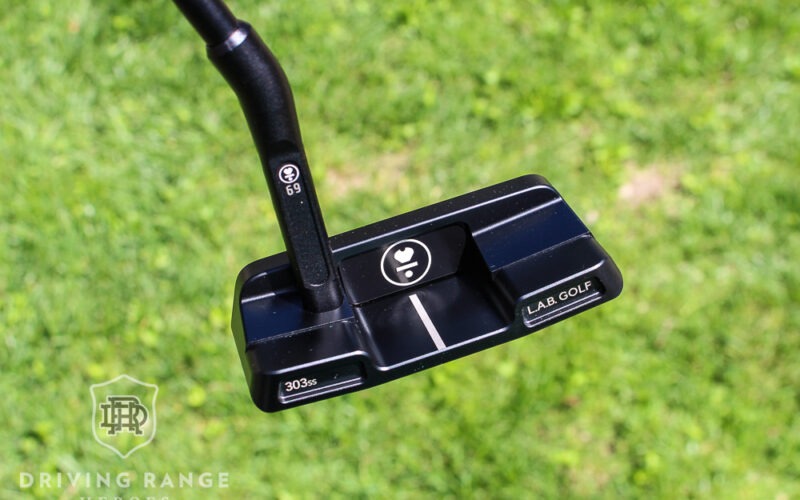
L.A.B. Golf Link.2 Putter
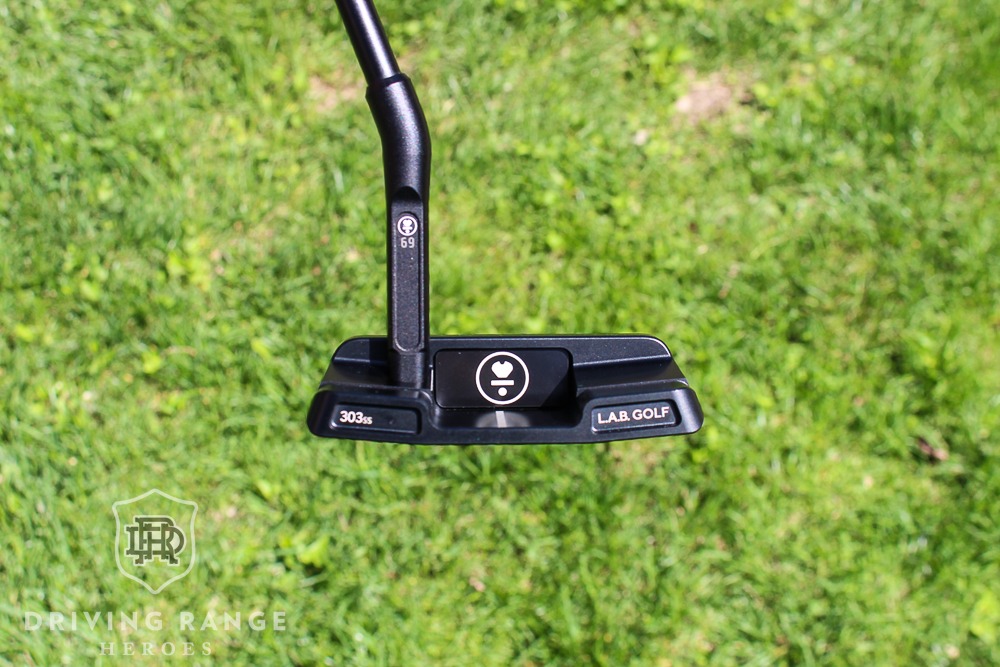
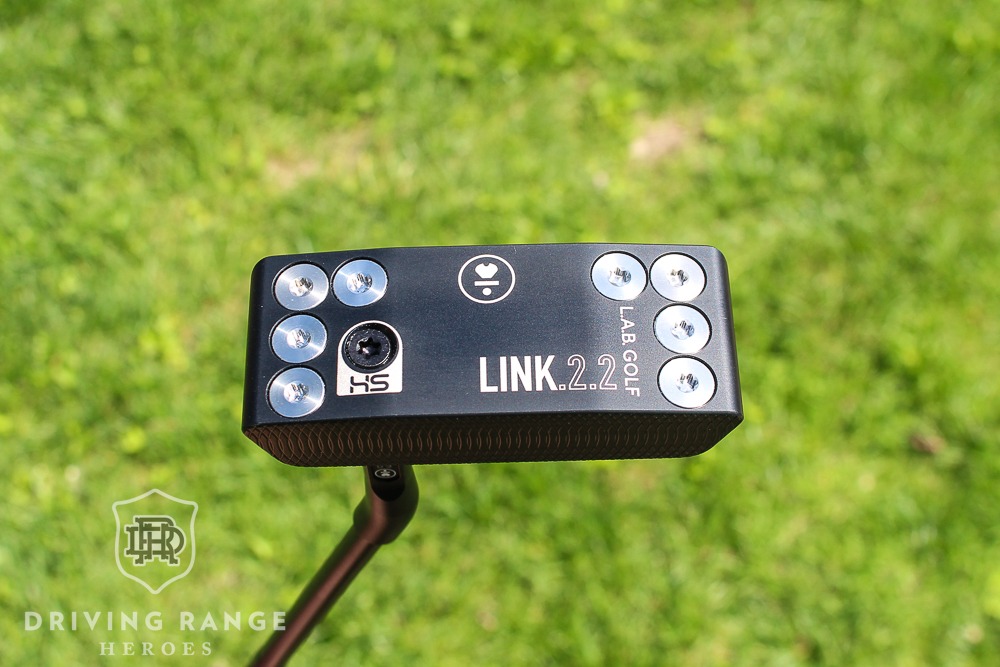
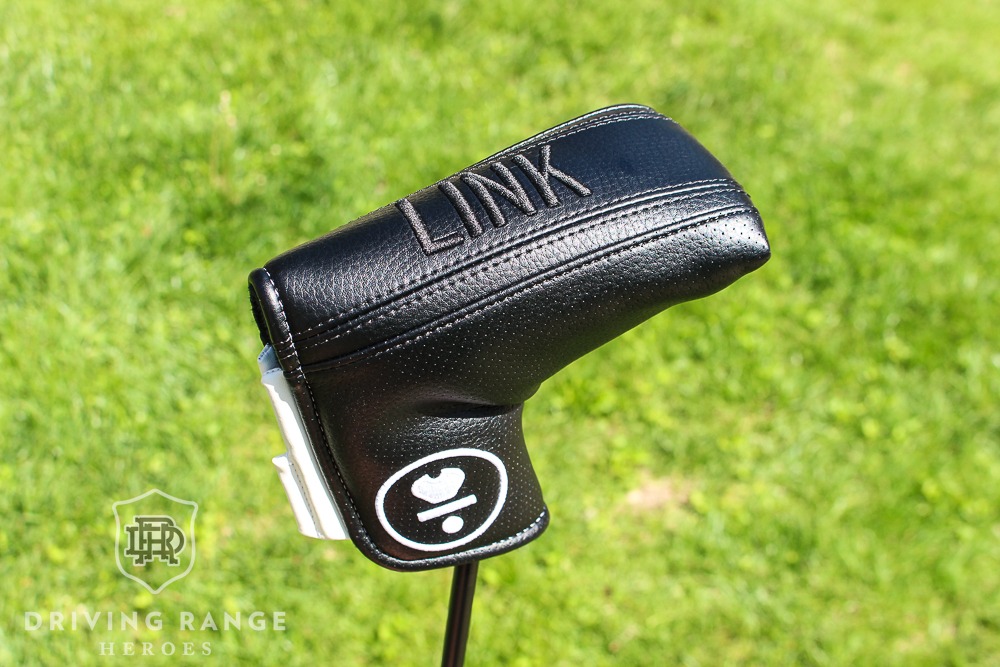
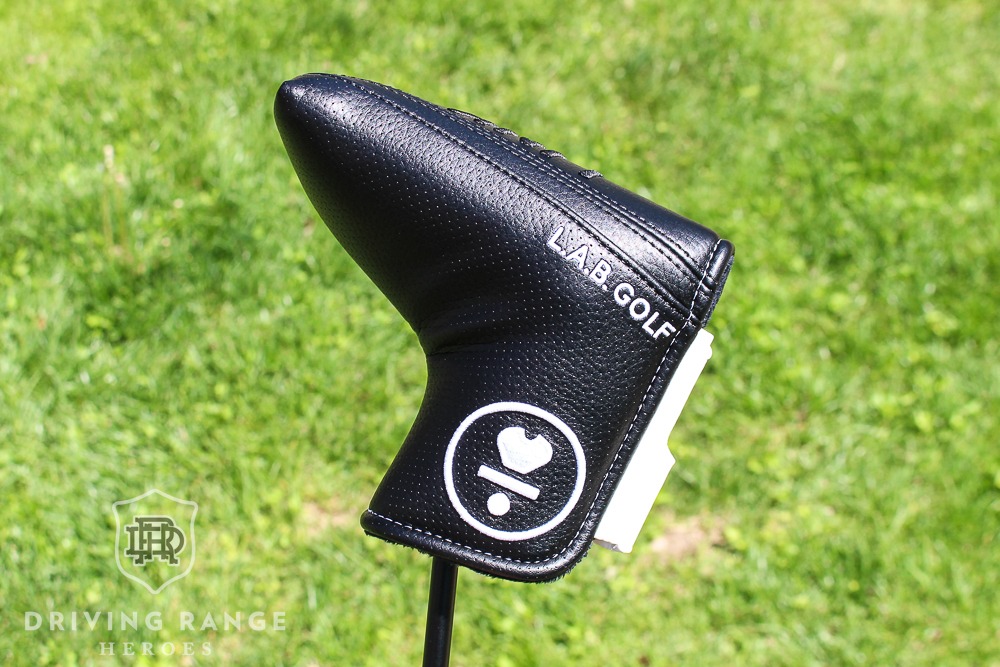
Pretty much since the brand’s beginning, the conversation around L.A.B. Golf started with a “yeah, but…” Yes, the technology works, but the shapes were often…polarizing. When the original LINK.1 arrived, it changed the narrative by proving Lie Angle Balance could live inside a blade. Now, the L.A.B. Golf LINK.2 putters takes that concept and refines it into two heel-shafted blade profiles that look, feel, and sound more like a traditional blade putters while maintaining zero-torque DNA. The LINK.2.1 offers a classic narrow-body silhouette for the purist, while the LINK.2.2 featured here provides a wider “square-back” profile for those seeking a larger footprint and increased stability.
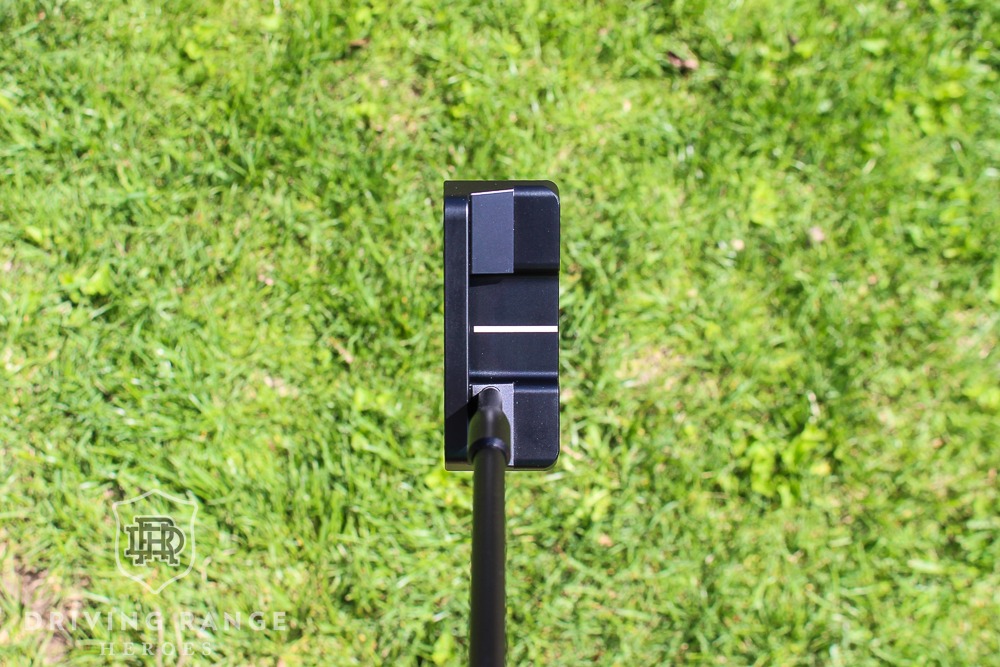
The LINK.2.2 “Square Back” Blade Aesthetic
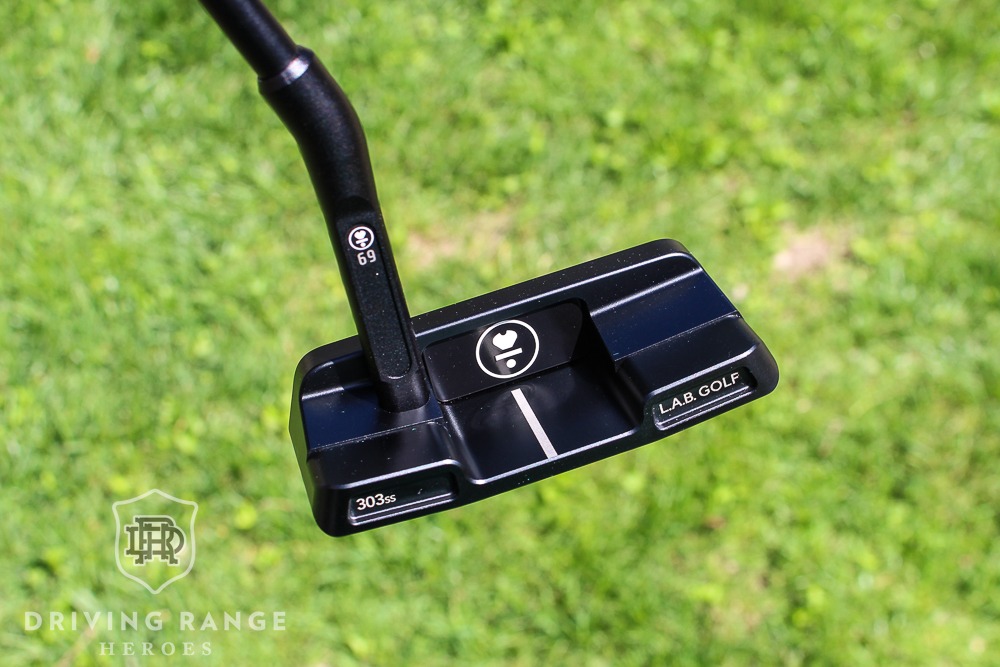
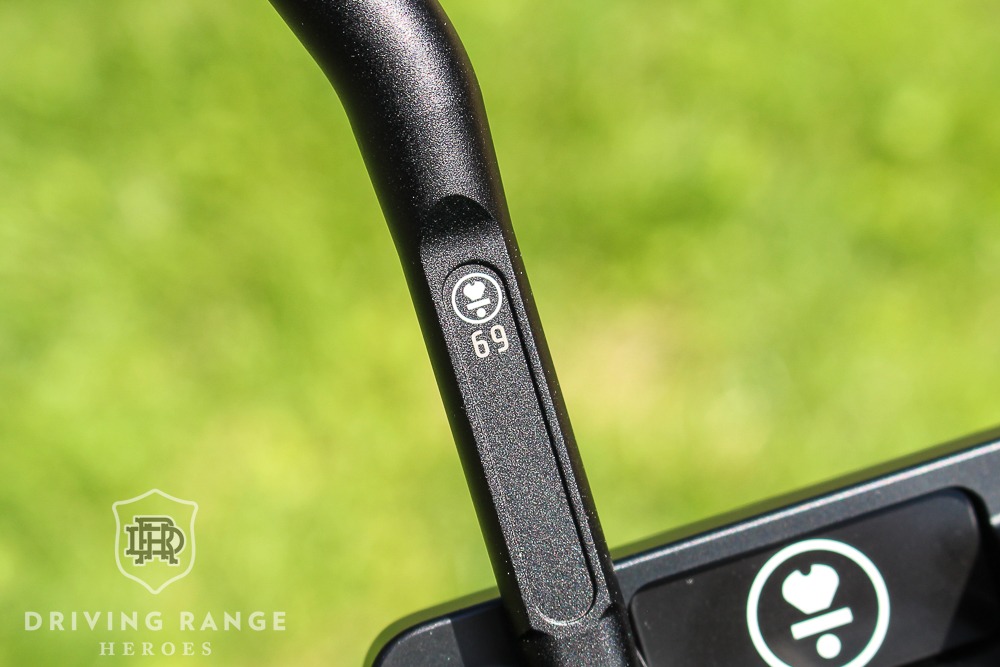
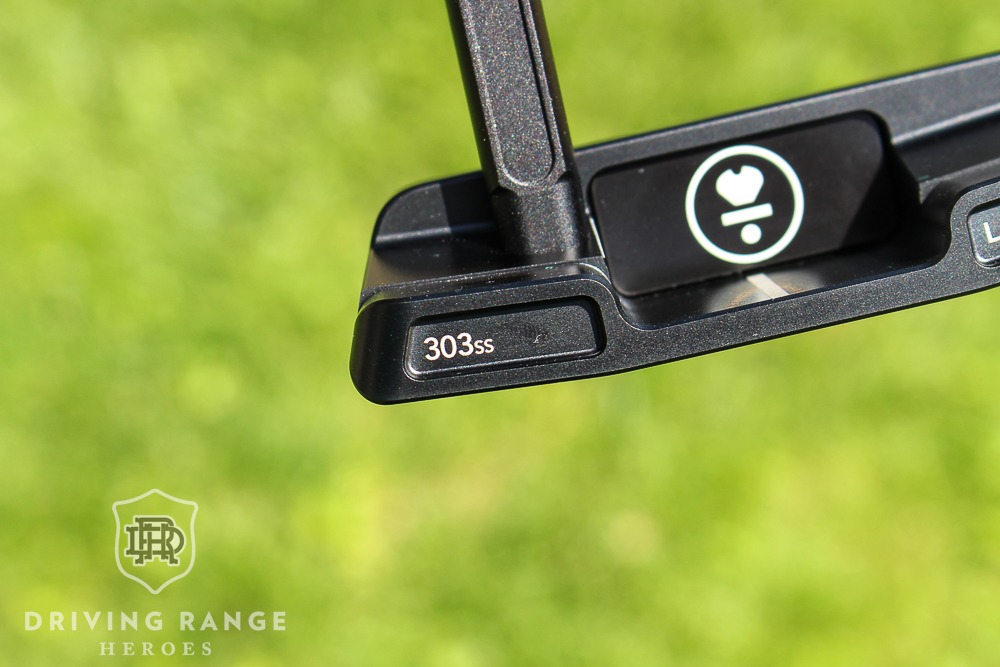
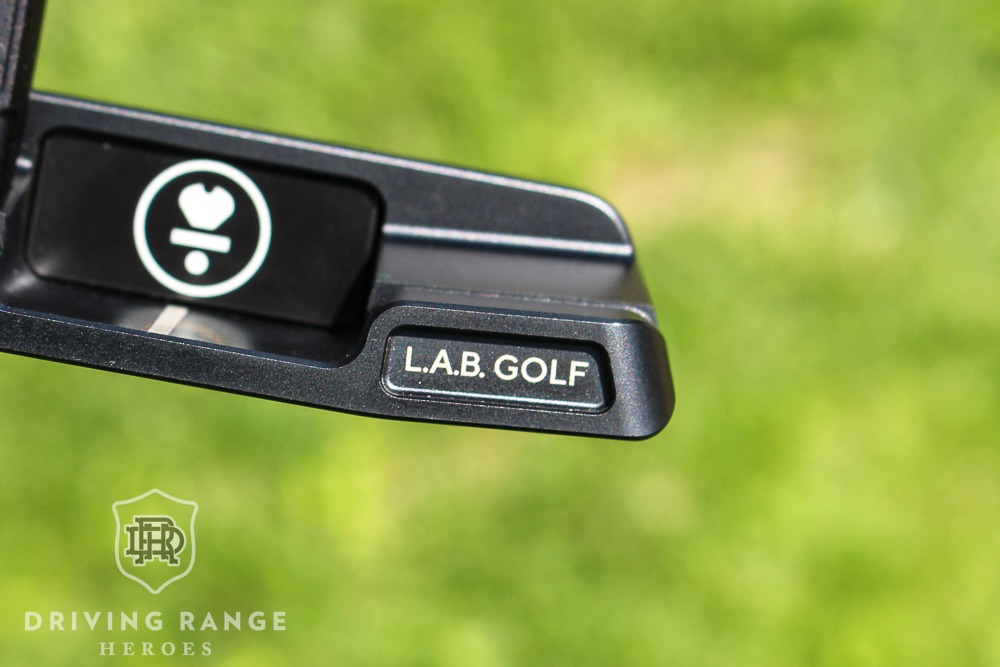
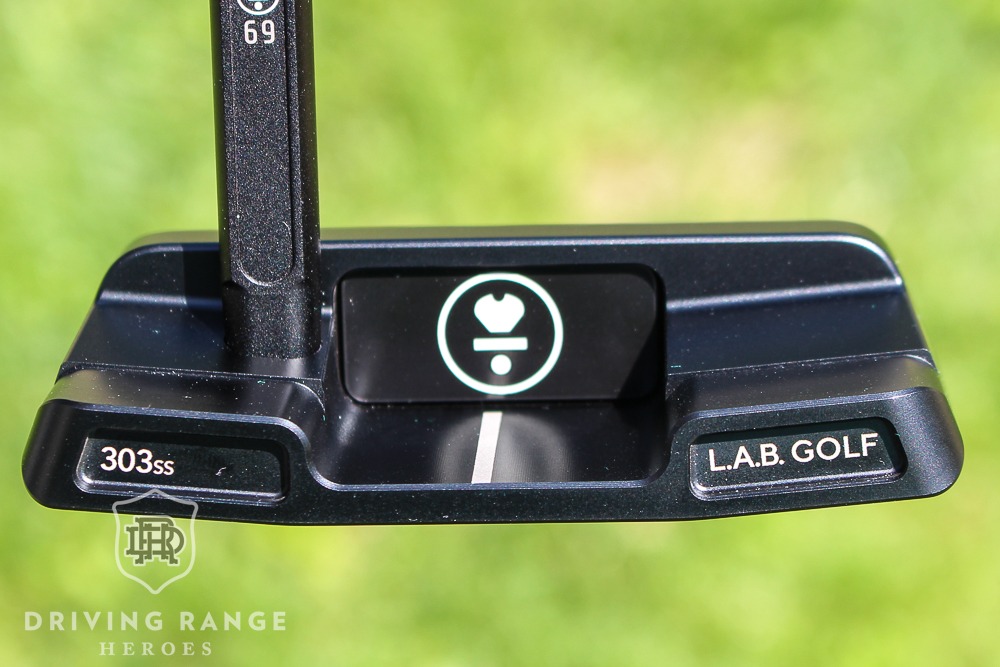
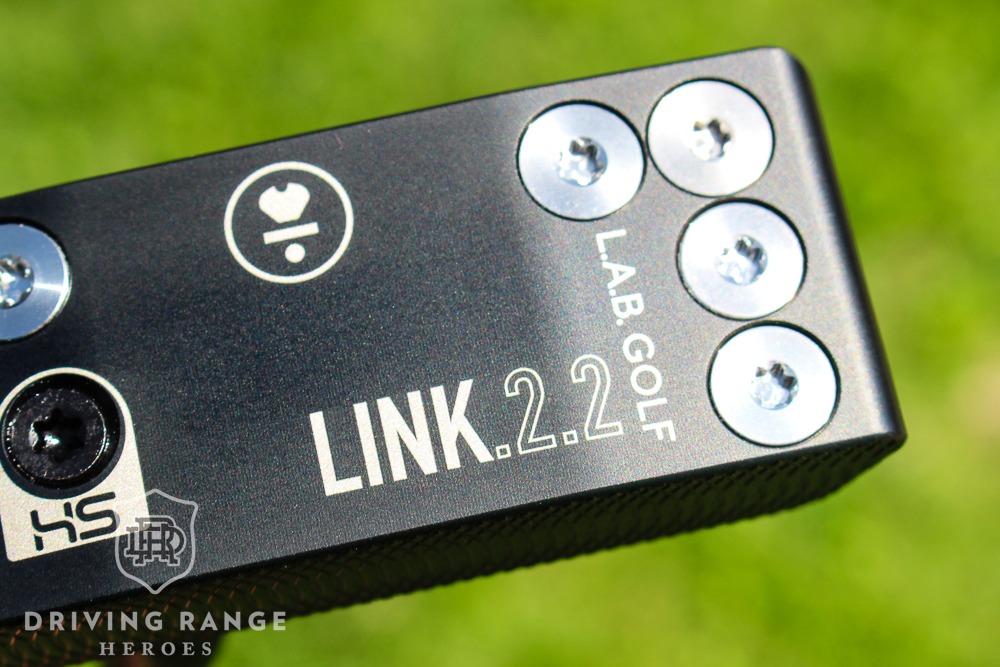
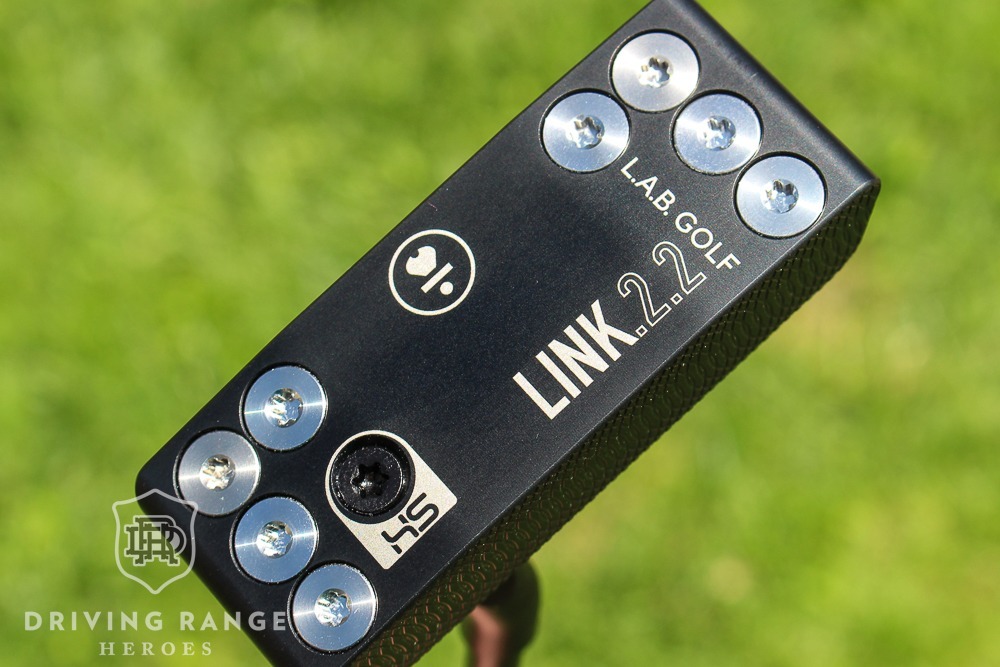
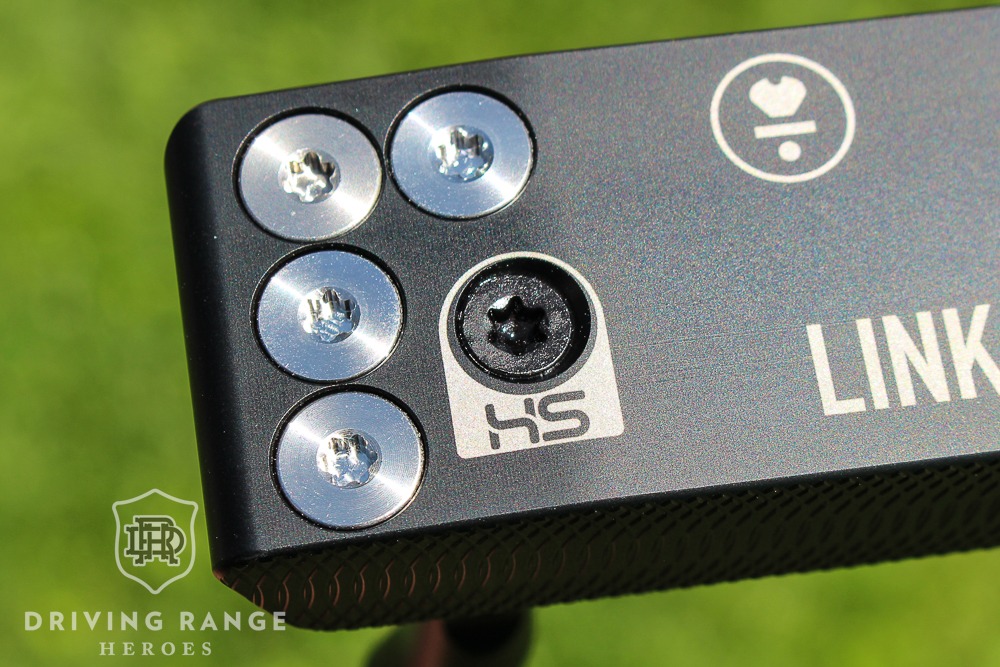
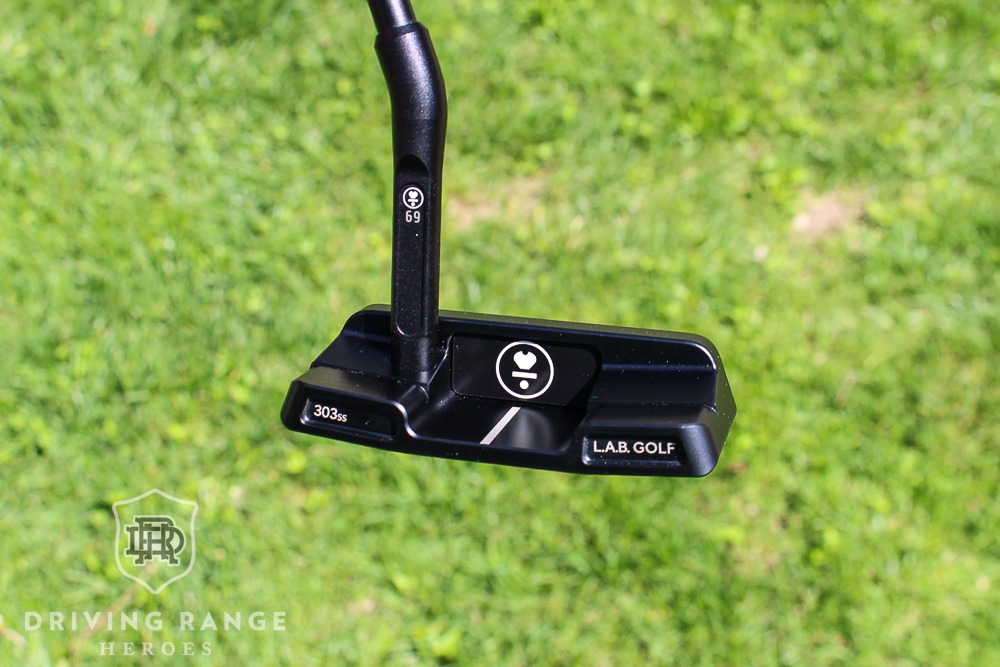
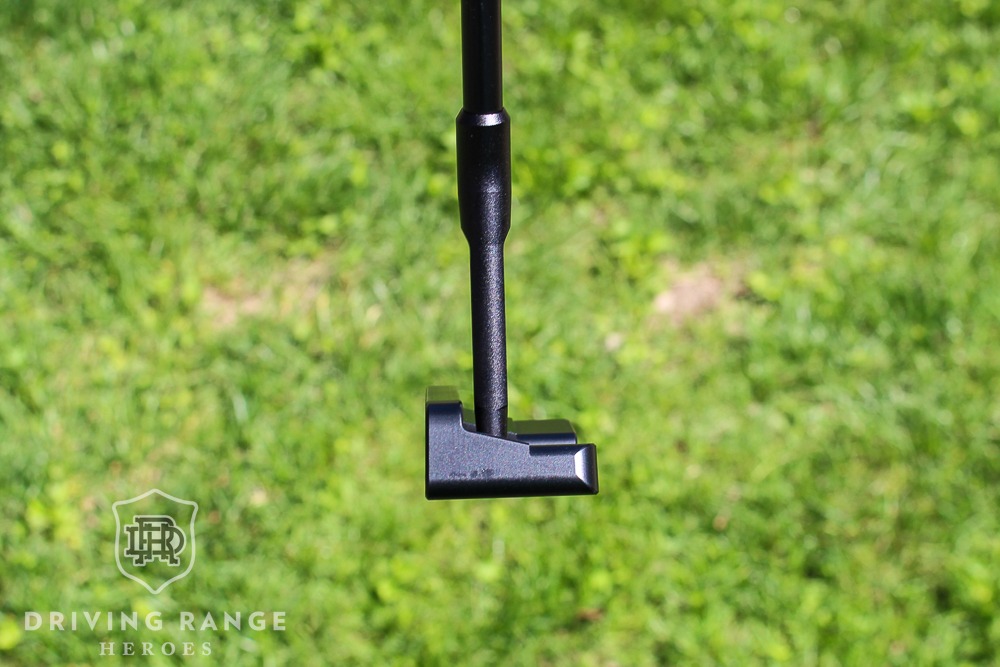
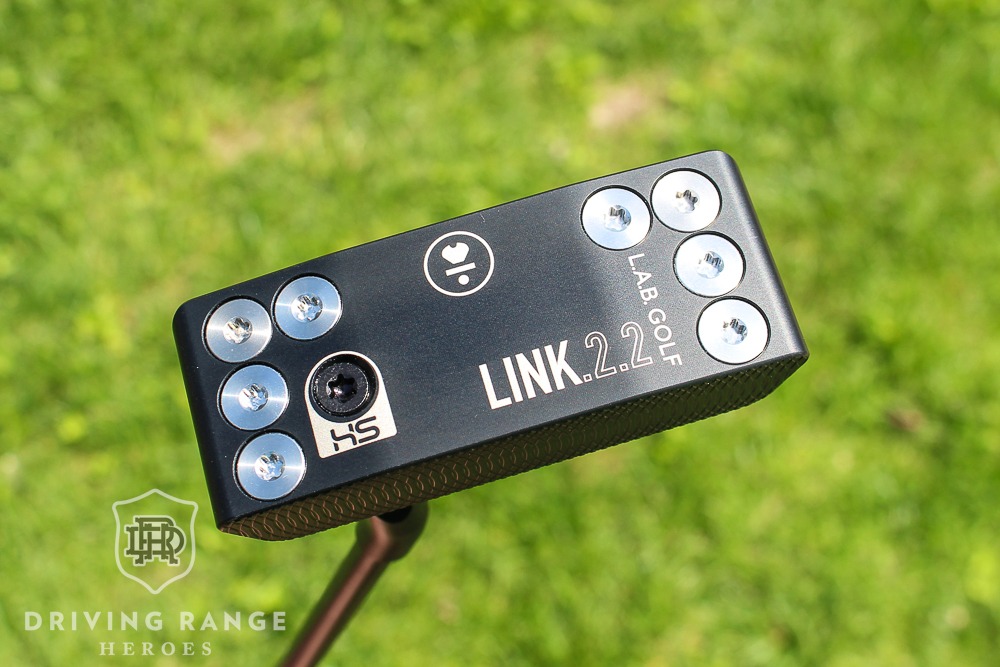
The L.A.B. Golf LINK.2.2 is 100% CNC milled from 303 stainless steel and finished in a sleek, matte black PVD. While the original LINK proved that Lie Angle Balance could work in a blade, the LINK.2 moves the connection point to a more appealing heel-shafted position. The square-back of the 2.2 profile provides a wider flange and a more substantial footprint at address compared to the 2.1, offering a stable and reassuring look behind the ball.
Though these new blades don’t currently offer the wide range of vibrant color finishes found in the brand’s aluminum mallets, there is still a wide array of different alignment options. You can choose from an extensive range of topline options as well as different flange markings. Mix and match to your heart’s desire! This allows you to tailor the visual cues to your specific aiming preference while maintaining the clean, understated aesthetic of a premium milled blade. I’m boring and have proven time and time again that I aim best with a single flange line, so I went with my usual line of choice here.
The Milled 303 Stainless Steel Feel
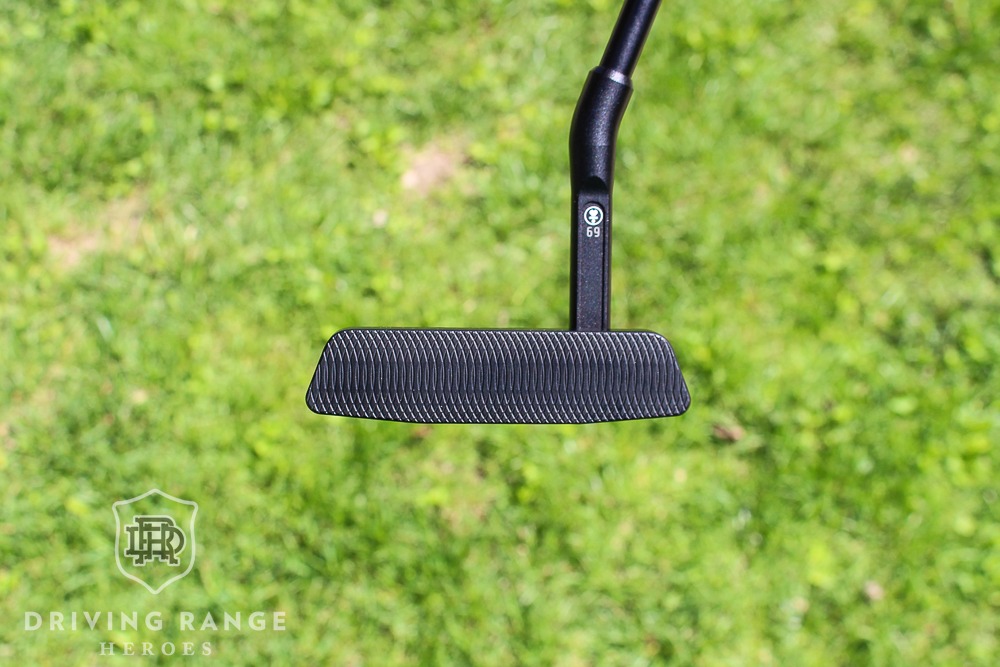
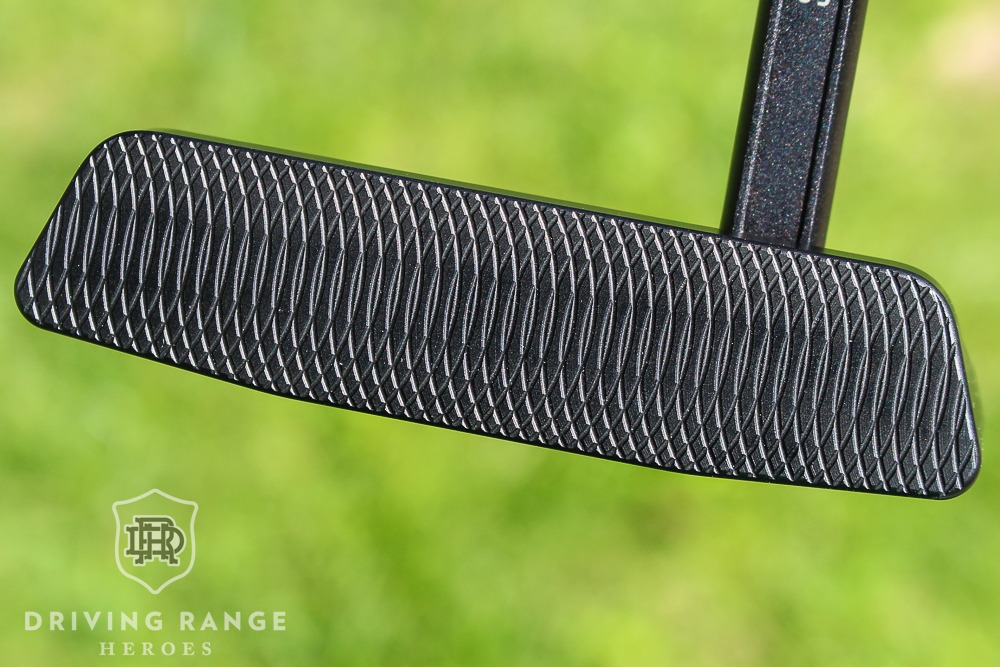
The most immediate difference when transitioning from an aluminum L.A.B. mallet to the LINK.2.2 is the communicative nature of the 303 stainless steel. While models like the DF3 can sometimes feel a bit muted, the LINK.2.2 provides a much firmer and more direct response. Even the aluminum putters that have the stainless inserts like the OZ.1i have a softer, “dampened” feel compared the solid 303 of the LINK.2. The addition of the fly mill face pattern is essential here, as it softens the initial strike just enough to keep that firmness from becoming harsh or “clicky.” The result is a responsive sensation that lets you know exactly where you struck it on the face. While I can’t say for certain, I imagine the wider body of the 2.2 will dampen the feel a bit more than the thinner 2.1 as well.
Also keep in mind that shaft choice will play a big role in feel. Graphite shafts will certainly soften the feel and provide a different sense of response than the stock steel shaft.
How Does it Sound?
Sound and feel are often inextricably linked, but the L.A.B. LINK.2.2 has a distinct auditory profile that’s a bit different from the rest of the lineup. Impact produces a crisp and distinct “tap” with a little bit of a metallic character to it. One would assume that this specific tone is a direct byproduct of the solid 303 stainless steel construction. This is another area where the difference between graphite and steels shafts could make a notable difference as graphite tends to absorb more vibration, and vibration is what forms the sound profile. Center strikes deliver a solid, muffled tone. As you move away from the sweet spot, the sound sharpens slightly, providing an audible cue for your impact location. There’s a “purity” to the sound that is honest and informative.
On-Course Performance
The L.A.B. Golf LINK.2.2 is a smooth and consistent stroking putter that exhibits less “natural wiggle” through the arc than you’ll find in most blade putters. This stability makes the head easier to control, which directly aids performance, obviously. Instead of fighting the face to keep it square, the head stays more on track through the ball with very little input from the hands.
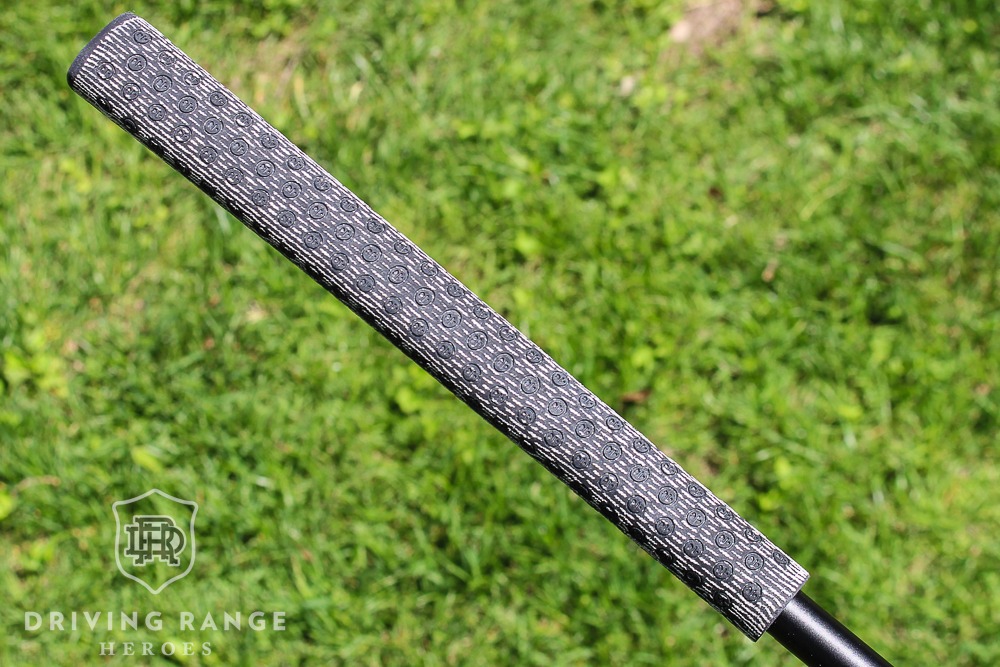
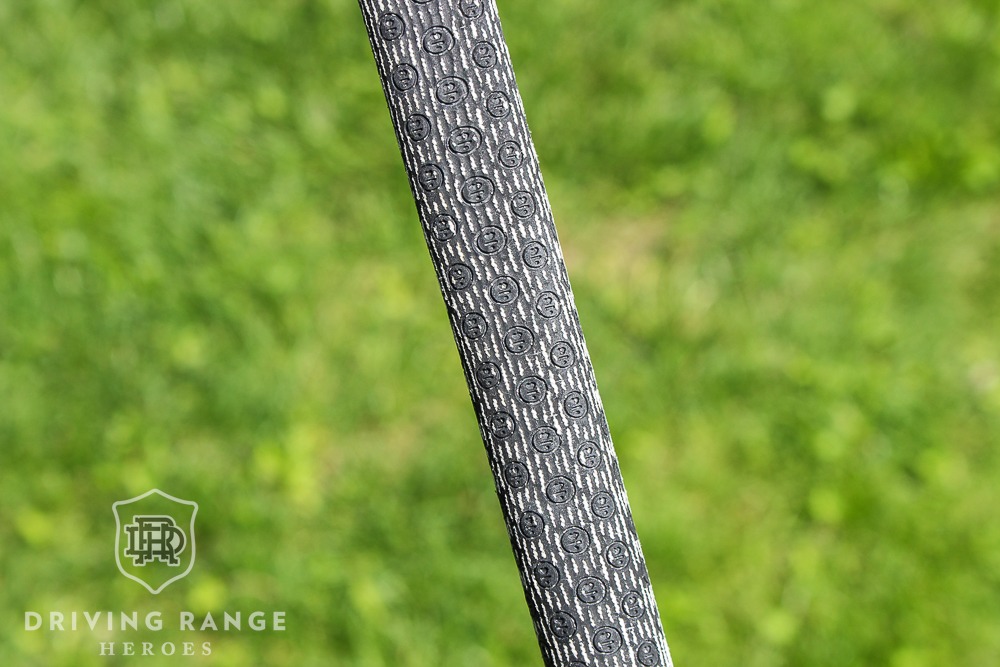
That said, I found grip choice is vital here. I went with L.A.B.’s pistol cord grip out of the gate to maintain the “traditional blade” feel. When I was building the putter out on the website, the nostalgic vibes just hit me too hard. A small pistol grip left me so “handsy” that no zero-torque technology in the world was going to save me. A simple switch to a SuperStroke pistol grip (also available as an option from L.A.B.) locked everything in immediately. Just be aware that if you swap grips on your own, it can significantly impact the specific weighting and balance L.A.B. builds into their clubs.
It’s also worth noting for L.A.B. Golf faithful that L.A.B. isn’t currently offering their Press grips as an option for the LINK.2 putters. By design, the LINK.2s don’t have significant forward press built into them so there isn’t a need for the grip to “put the club into a more natural hand position.” If you’re a fan of L.A.B.’s grips, they offer the Pistol grip in a 0º option that will work great for these putters.
Final Thoughts – L.A.B. Golf Link.2 Putter
For a long time, the conversation around L.A.B. Golf was dominated by the “quirky” designs. While the technology was undeniable, the unconventional aesthetics often kept traditionalists at arm’s length. The LINK.2 putters feel like a definitive turning point. It proves that the brand isn’t just a niche manufacturer of “novelty” designs, but a serious player capable of bringing their unique engineering mindset to a shape that any golfer can appreciate.
By successfully marrying the zero-torque DNA with the look, feel, and sound of a traditional heel-shafted blade, L.A.B. has bridged the gap between zero-torque and classic style. The LINK.2s doesn’t ask you to choose between a putter that works and a putter you actually want to look at in your bag. It’s a sophisticated, well-executed evolution of their lineup that appeals to a much broader audience, and it leaves me intrigued to see how they continue to evolve with their designs in the future.